
On St. Patrick’s Day, I stood at the white quartz counter of my Philly rowhome, listening to K-Pop and peeling boiled chickpeas to make hummus. Today’s Spotify selections seem to be mostly ballads, resonating with the mood of the day marked by the murder of eight people in Atlanta, what I am certain is a hate crime against people of Asian descent. Friends checked in on social media and with text messages as the spin of the news pointed to possible motivations for the killings.
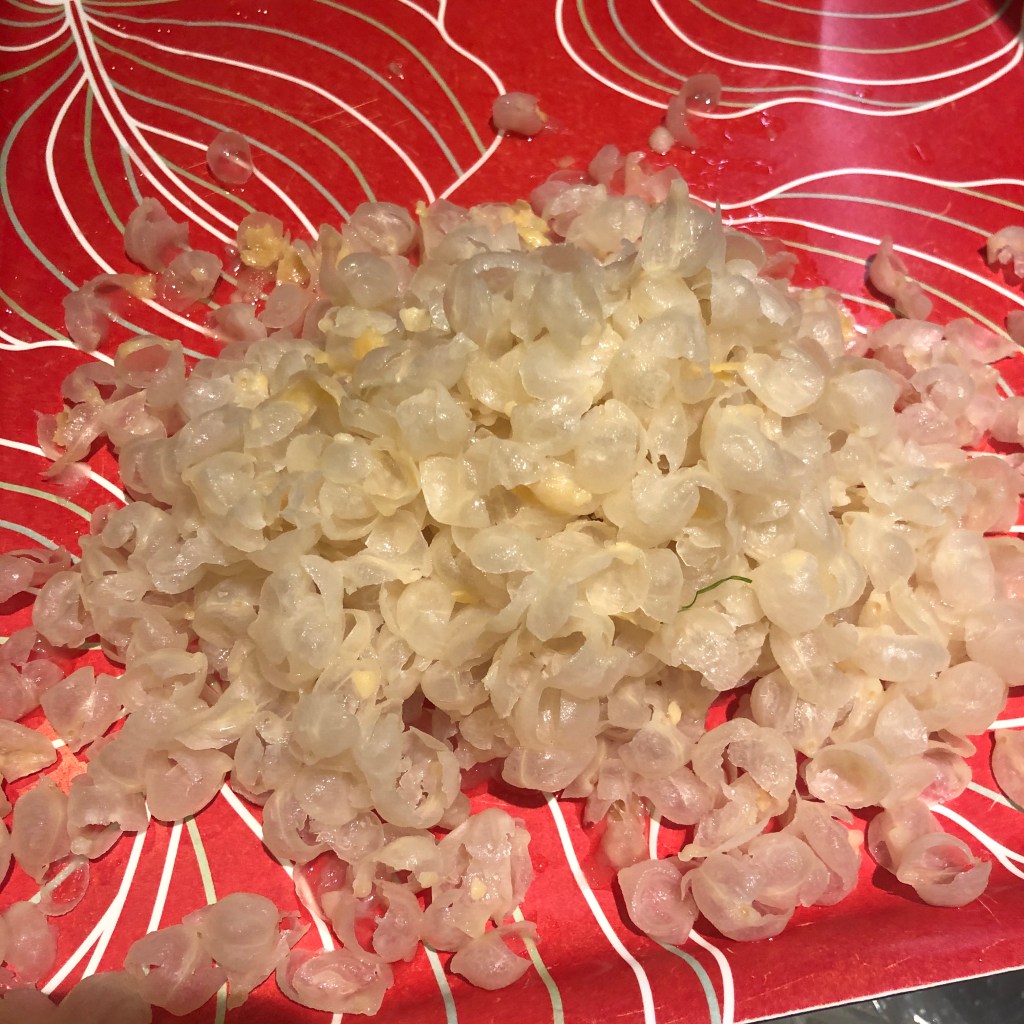
There is a lot of debate about whether or not it is necessary to peel chickpeas, especially if you use a high-powered blender (which I do), or if you can even tell the difference. I choose to painstakingly pick off the skin of each chickpea to make the five cups I need for the hummus. The whole process takes about an hour or so. The mostly mindless and repetitive exercise gives me time to think through stuff without interruption.
I think about the fact that it is the middle of the day on a Wednesday. I am working from home and there are no meetings scheduled all day so that means that I can parse out my work for the day in whatever fashion I want. I have just come back from a five mile run through the South Philly and Pennsport neighborhoods, mostly on empty streets save for the dog walkers and construction workers. I think about the fact that the women killed yesterday did not have my privilege and had to report to work that day because their livelihood depended on being out in public in the middle of the pandemic. I wonder if I have the right to feel that I am a target.
As the peeled chickpeas start to pile up in the bowl, I think about whether or not spending this time is foolish. I did make hummus once before without peeling and the texture was definitely grittier than when I started peeling them. I wondered if that was because I did not use enough tahini or because I did not blend it enough, or it was really because of the peels. The dude told me that for hummus they must be peeled–that’s how it is done in Lebanon. Now that I have done it a few times and know the exquisite smoothness in texture, I cannot ever not peel the chickpeas. I think about the environment in which I grew up and the international school that shaped my worldview. A school of barely 1,200 children from kindergarten to Upper Sixth made up of 48 different nationalities, where difference was all around us all the time so that it was normal. I know that it was a privilege afforded to me as a foreigner living in Ghana to attend an elite, private school and that the school shielded me from harsher realities of poverty and oppression. However, it did teach me, from a very early age, that people you call your family are not necessarily related by blood and friends are not only people who look like me. The corollary goes for enemies. Once you know something good, you can never go back. I am the beneficiary of a diverse and inclusive space and I want to find a way to reclaim it but I no longer know how.
I think about my own identity now. I have always been an outsider of sorts. I was never Korean enough for my Korean extended family and often treated like a weirdo on my summer visits to Korea (I stopped going when I turned 16). I was never Ghanaian enough because people in the streets never let me forget that I was a foreigner. When I came to the United States for college, I couldn’t pass as Asian American until I learned to speak with an American accent (“leisure” was the last word I unlearned–“rhymes with seizure not pleasure”). Then, I learned through experience and an entire dissertation, that even people born in this country are often treated like outsiders and foreigners. I thought I had settled happily in my inbetween space as a perpetual outsider. That space is no longer safe.
I think about my role as an administrator in higher education where there is an overrepresentation of students of Asian descent (although not necessarily in faculty or administration) and from the ivory tower, we are not always viewed as people of color or minority–until something like this happens. I think about how after 9/11, many of my friends had to get their fingerprints taken because of their nationality, there was a spike in violence against Sikhs for wearing turbans and growing beards, and all my friends with the name “Omar” (I know a surprising number of people named Omar) got searched at airports. Violence against people of color has always been present; it’s just that violence against people who look like me was highlighted most recently. A friend once told me that rather than engage in “Oppression Olympics” we should find a way to address the structure that perpetuates oppression. I am still looking and trying but every one of these murders reminds me how far we, as a society, have left to go.
I think about the fact that I add lemon zest in my hummus to enhance the lemoniness even though no traditional recipe I have seen includes lemon zest. I think about all the different “hummus” out there made out of all sorts of different beans and flavors and wonder if they know that “hummus” or “hommus” means chickpeas in Arabic. I wonder when hummus became ubiquitous in American cuisine since I remember a time when it was a specialty food item. I think about how much I hate the idea of authenticity although I catch myself looking for the “real deal” often. I think about the oppression of binary gender norms of a narrow-minded society and the recent deaths of LGBTQ activists in Korea. I know that violence does not always have to involve a gun. I wonder when the time will come when labels lose meaning and change and difference will be ubiquitous.
Sonya’s Hummus Recipe
- 4-5 lemons, juiced and zested
- 8-10 cloves of garlic
- 1.5 cups water
- 2-3 Tbsp kosher salt
- 5 cups chickpeas, boiled and peeled
- 2-2.5 cups tahini
- Blend lemon juice, lemon zest, garlic, water, and salt.
- Add chickpeas and tahini.
- Blend until smooth, scraping the sides as necessary.
- Refrigerate. Makes about 6 cups of hummus.
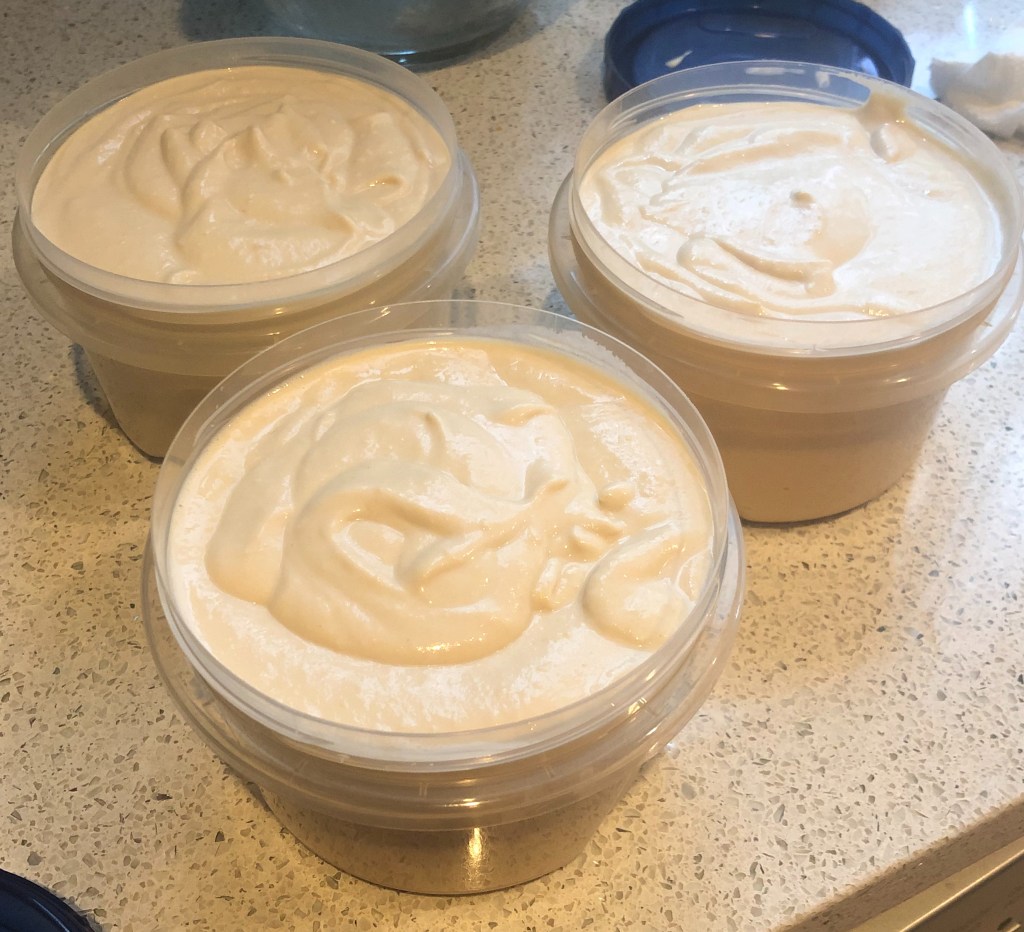
The dude tasted a fingerful of hummus and the verdict was “Lemony, garlicky, tahini-y, chickpea-y but needs more salt. Eh! That can be added later.” I wonder when we can be hummus.

 What will Dr. Gwak say?