Cooking

Three generations on a quiet October afternoon

It was a rather quiet afternoon, an unexpected lull in the day. Dad got called into a meeting in Seoul and my brother, his wife, and the twins decided to go shopping. The gentle October sunlight flashed in and out through the balcony sheer curtains. Sitting on the floor with my back against the uncomfortably large leather sectional and my bare feet stretched in front of me, I finally felt like I was taking a break. Even the staticky Christian music from the radio seemed appropriate for the mood of the day.

Mom was in the kitchen area, humming to the radio. Now in her seventies, sporting a frizzy brown perm and a back brace, her movements were not as quick as they used to be. She complained that she has shrunk and was no longer 150cm, the cutoff height for not being under-tall. While achy bones and exhaustion was constantly on her lips, she never once looked frail or fragile. I guess that is what happens when you were a spitfire in your youth—you just mellow out.

After two years of forced separation due to the pandemic, I booked the first ticket to Korea the moment the quarantine requirements were dropped for immediate family visitation. As my parents grow older, a year seems to me about the longest I can justify separation. Back when they were in their fifties, there was a good six year stretch that we didn’t see each other or even talk over the phone. But somehow, that seemed fine, even preferred. We had lives to live and it wasn’t like I missed my parents. My childhood was fraught with hurt and misunderstandings. Even after I told Mom that I forgave her, the pain still persists. I have just become more at ease with my deviance from the norm and, now in my forties, absolutely unapologetic about it. Even comfortable.

I stretch my arms over my head and tilt my head back for a stretch and yawn. Looking around the living area, every nook and cranny is filled with tchotchkes and photos from when my parents used to travel. The low cabinet under the large TV was a shrine for her three granddaughters. A family photo with my husband when we came to Korea for a wedding reception two years after getting married was also there. That was ten years ago but since we don’t take photos, there wasn’t a good one for my parents to use to update their collection. The twins, pandemic babies, are now active and chattery toddlers and you could see the stages of their evolution from blob to human just by looking left to right. In between the artwork collected from the places they lived are planters big and small, mostly of orchids and succulents. My mom is from a farming family and she has always loved gardening. I saw that many of the containers had been moved out to the verandah to make space three adults and three children descending on the 1000 square foot apartment. Without any of her children and grandchildren close by, Mom cared for her plant babies.

There is a scent I call “my parent’s house”. I imagine that is different for everyone. It carries on even if they move houses. Mine is combination of flowers, earth, fresh laundry, wood, aged paper, and a hint of dwenjang and braised fish stew. None of the individual smells overpower each other and they combine to mean home. Even after mealtimes where we have to clean up half of the toddlers’ food from the floor, or ordering in food heavily spiced food because the adults are just too exhausted to fix a meal,  or grilling mackerel on the stovetop, the apartment always reverts back to this familiar aroma. I had forgotten how much I missed it.

Now, I see two large pots and a skillet going on the gas stove in the kitchen. Without stopping, my mom says to me, “Can you come over here?” I respond, “Anything I can do to help?” and walk over to the counter next to the sink. She motions at the large bunch of scallions in the sink. “I ran out of chopped scallions. Cut them for me? Half straight, half at an angle. Put them in that plastic container when you are done. It goes in the freezer.”

It dawned on me, right at that moment, that while this seemed so mundane, it was a very new exchange between Mom and me. When I left home at just as I turned eighteen to go to college in the United States, I never went back. The longest I spent with my parents after that was three weeks and it was always about ten days too long. When I started going to Korea for work, I would book myself a hotel room in Seoul and take the hour-and-half train commute to see my parents for dinner and never stayed over. Two years ago, we went on a road trip so barely ate at home. Until eighteen, I avoided the kitchen and anything that signified “girl”, at least outwardly. It was much later in life that I took interest in cooking and discovered my own aptitude. During the pandemic, I texted and called Mom for Korean recipes and cooking methods and she started following me on facebook and liked all my food posts. It connected us on a neutral territory as adults, without baggage. She admired my excellent knife skills and broad range of cuisines.

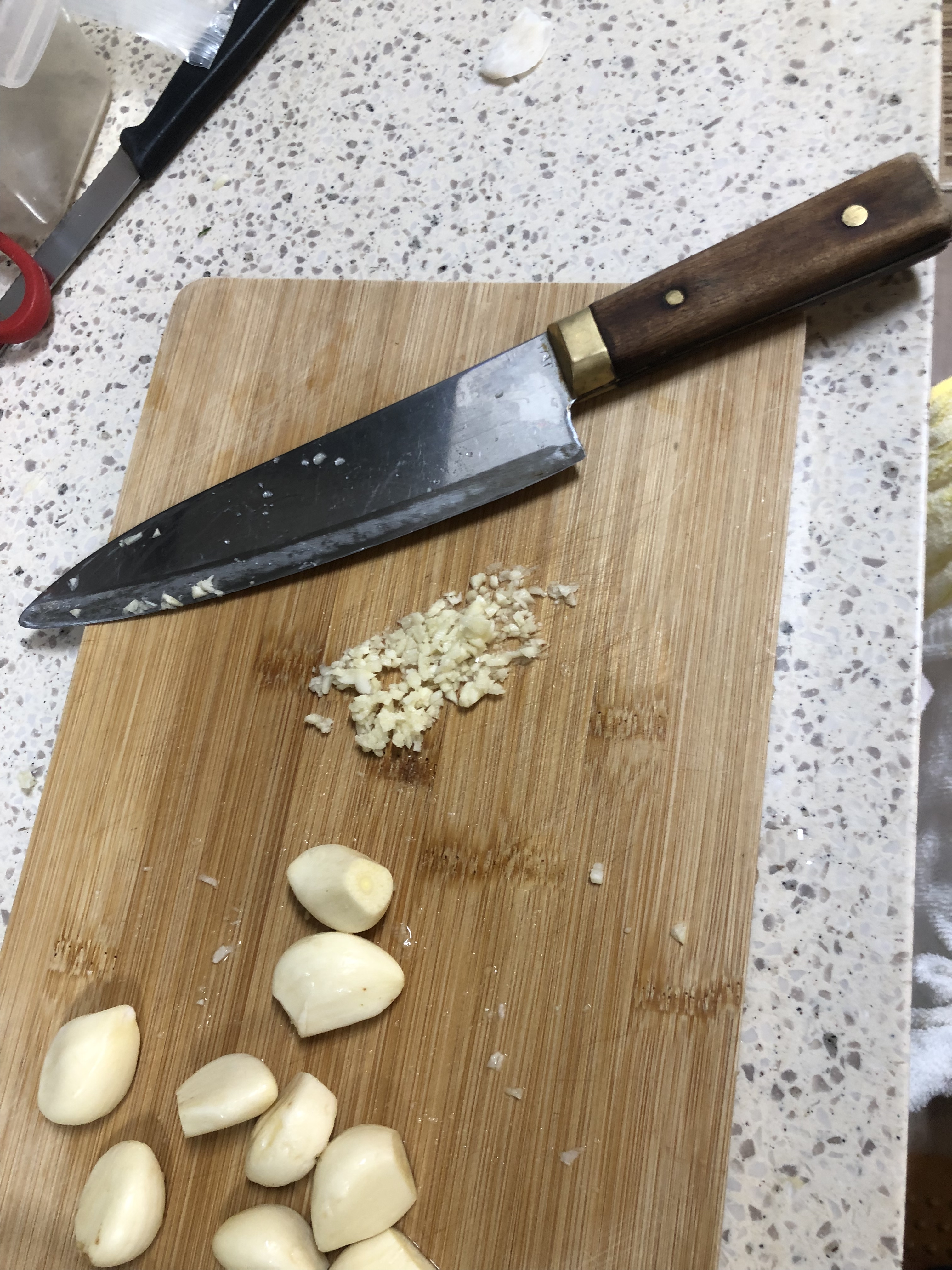
Before I could ask for the sharpest knife she had, she said, “Open the sink cabinet. You should see a knife with a wooden handle. Use that one.” The knife holder screwed onto the door had an eclectic collection of cheap looking knives. The one with the wooden handle poked out about two inches longer than the rest. I pulled it out and could immediately sense that it was very well balanced and fit into my grasp naturally. It was well honed and cared for.

“It cuts really well,” I remarked, swiftly slicing through the scallions.

‘”It was your grandmother’s,” she said. “It’s the knife she used all her life and I took it after the funeral.”  

I imagine my grandmother bought the knife when they were still well off because the weight and balance of it was superior to my expensive German steel knives even if it was sixty or seventy years old on a conservative estimate. There was no sign of rust or wear, even for a blade that would have been sharpened and honed a few hundred times. The handle was still the original one, worn a bit and softened over time but still solid and firm in my grip. If there were any inscriptions about its origin, it had long disappeared.

My grandmother passed away after almost two years of suffering dementia and later leukemia. Dad’s younger sister was the main caretaker while she was in hospice care. There wasn’t much of an estate to speak of—an old, unrenovated duplex that was sold to make way for a highway, some photos and clothes, and basic kitchen goods. Like many Koreans, my grandparents lost everything during the Korean War. After the war, my grandfather, an engineer and entrepreneur built one of the first soju distilleries in Korea and Dad remembers living pretty well when he was a kid. However, for some reason, the business failed, his father died, and the family became bankrupt overnight. Since my dad was fourteen at the time, I am sure he knew why but, even to this day, he refuses to share the details. My grandmother had few possessions and I am certain my uncles and aunt took most things of value. I can kinda see Mom sneaking the knife into her purse when no one was looking while cleaning the house.
For both my mom and me, halmoni was a pivotal character in how we created our narratives. For me, she was the woman who raised me from birth. I was her first grandchild and much loved. My parents, newlywed at the time, both worked in a different city while living with mom’s brother’s family. My grandmother took me in so that both my parents could pursue their careers. For my mom, her mother-in-law was a modern woman, the first adult she knew who did not discriminate against her for being a woman. When she was pregnant with me, my grandmother ordered Dad to do the laundry, house cleaning, dishes, and obviously anything that required heavy lifting (he still does those chores). She was also supportive of my mom’s career as an elementary school teacher and volunteered to take me in so that she could work. This all happened in the 1970s in Korea. I recall that my grandmother was not a warm and fuzzy kind of woman and didn’t speak much. I also recall that she had a fiery temper and, being rather tall for a woman of her generation at almost five foot five, she could be intimidating.

Kongnamul-gook, mung bean sprout soup, is the food I associate with my grandmother. It’s some of the cheapest soups you can make and it was always accompanied by a bowl of white rice and kimchi, not much else. My grandmother was not much of a cook and she always felt guilty for having Dad support her financially even while we lived abroad. For that reason, she was very frugal which meant a lot of mung bean sprouts in meals. Pieces of thinly sliced scallions floated on the surface of the kongamul-guk.

I choked back a tear and announced, “I am done. Anything else?”

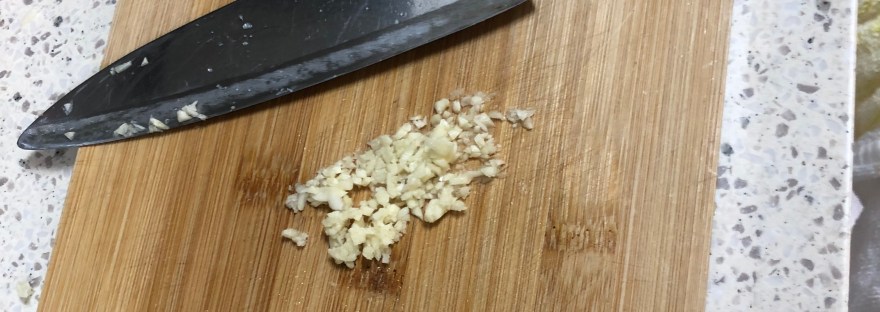
I could hear a slight tightness in Mom’s voice as well. “Can you mince some garlic?”

“Sure,” I say. “How many?”

“Let’s start with five.”
Cooking

빈대떡엔 막걸리 (Mung bean pancake and Makgeolli)

When I was sixteen, I swore never to go back to Korea. Until then, Korea was where my brother and I spent most of our summer holidays, sometimes with both our parents, sometimes with just one parent, sometimes by ourselves. It was expected that we took the almost three day trek across the globe to see extended family. Back in the 80’s, in the height of the Cold War, the multileg journey went something like this: Accra-Lagos-Amsterdam-Anchorage-Tokyo-Seoul and then the reverse on the way back. As an angry and sensitive teenager, I hated my cousins who made me speak English even when I spoke Korean perfectly well, like I was a circus monkey. I hated that their friends would treat me like any other Korean kid until they found out I lived in Ghana and then spent the rest of the time making racist and ignorant jokes about Africans. I hated the rules and expectations that I had to follow as a girl that my younger brother could ignore. So at sixteen, I stopped spending my summers in Korea and stayed home in Ghana, mostly reading.

For this reason, I never truly learned to eat and drink in Korea. One thing I knew was that drinking with food was socializing and drinking without food was just one step away from alcoholism. As an adult, I learned a little from my brother who went to university in Seoul and then stayed to work. He knew where all the 맛집 (matjib: literally translates as “tasty house” or places known to have the best food, usually in one category) was and with him as a guide, I ate and drank well.

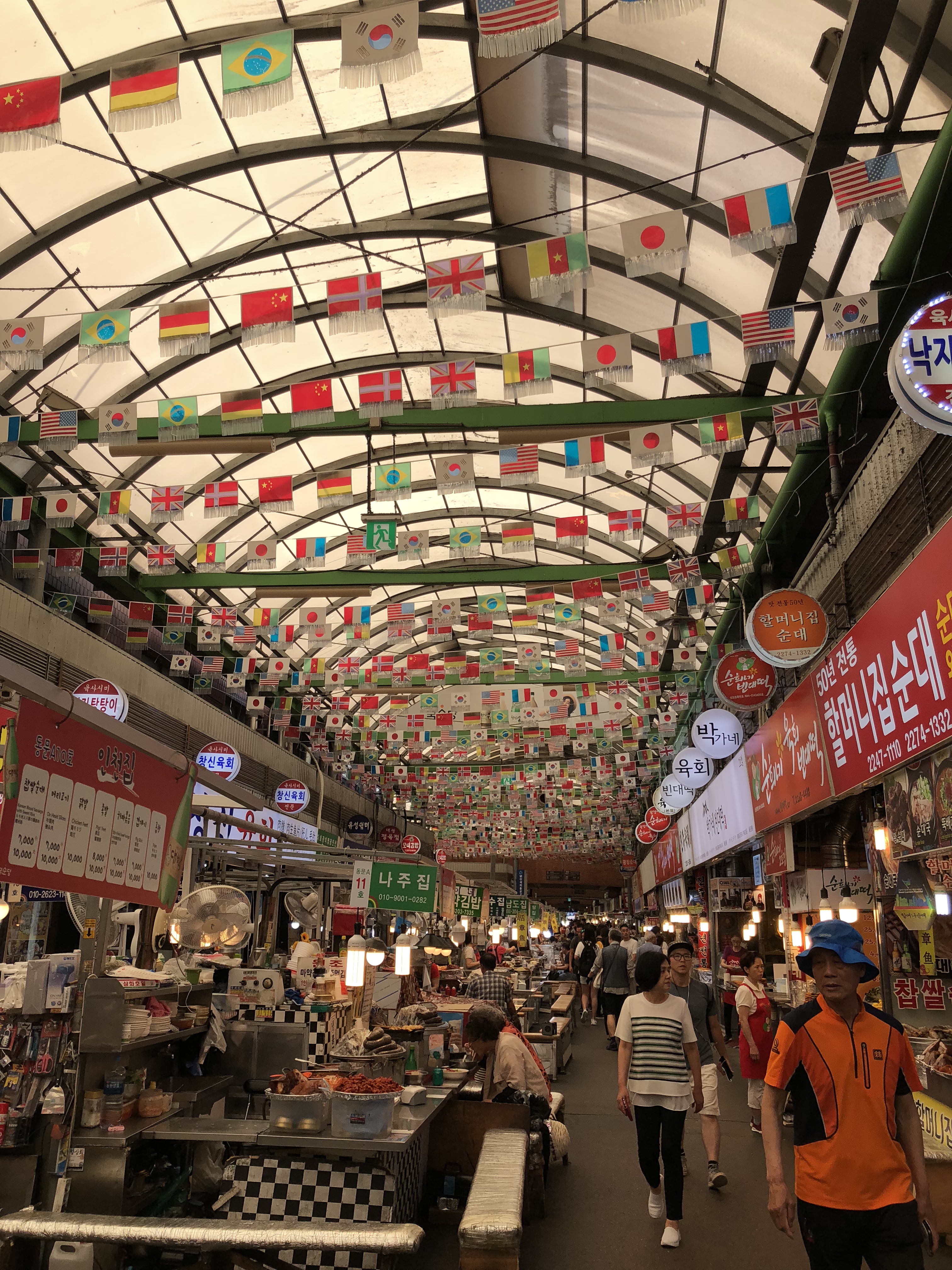
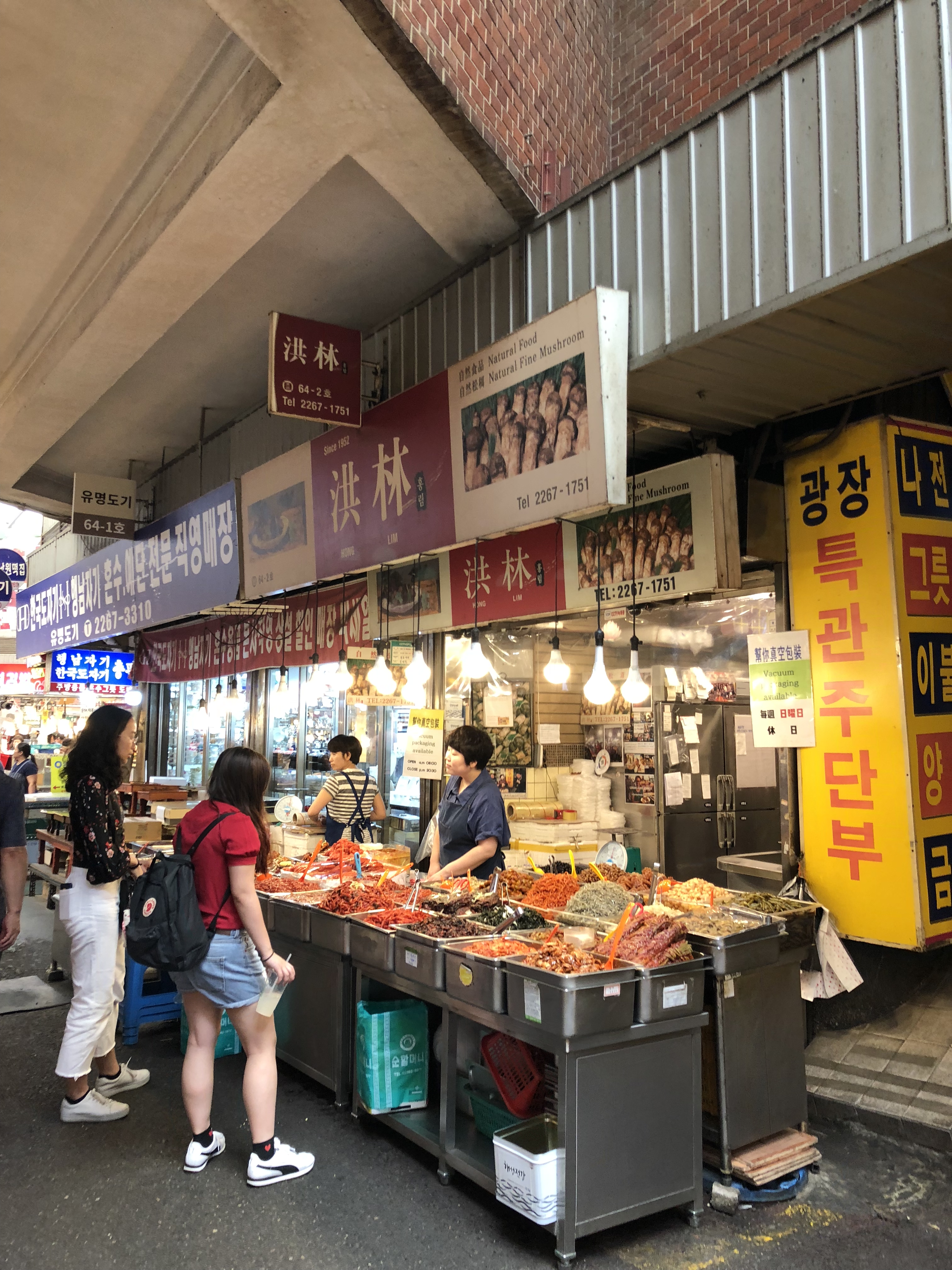
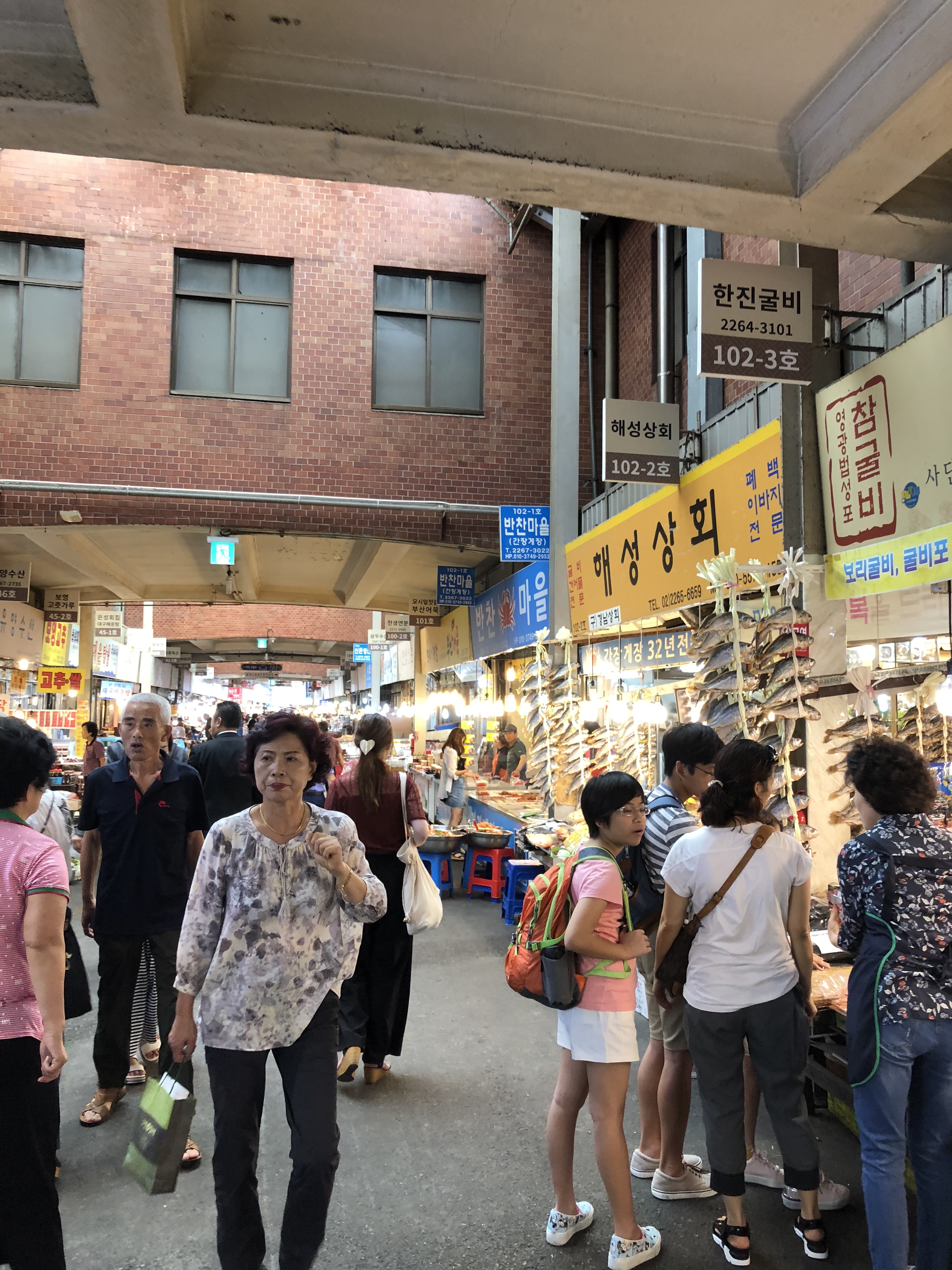
Many years later, I started traveling to Seoul for work about once a year and began to explore places on my own. One stop in the summer of 2018 was Gwangjang Sijang.

On our first trip to Korea, the Dude and I stayed in a place close to Gwangjang Sijang but we were too overwhelmed and full from a recent meal to enjoy the abundant street food. I could not forget the aromas literally steaming up from the hot griddles and cauldrons so the first chance I got, I sought out a 빈대떡 (bindaedduk: mung bean pancakes) stand. Bindaedduk is one of my favorite foods, only made occasionally due to the lack of ingredients in Ghana but a common street food in Korea.

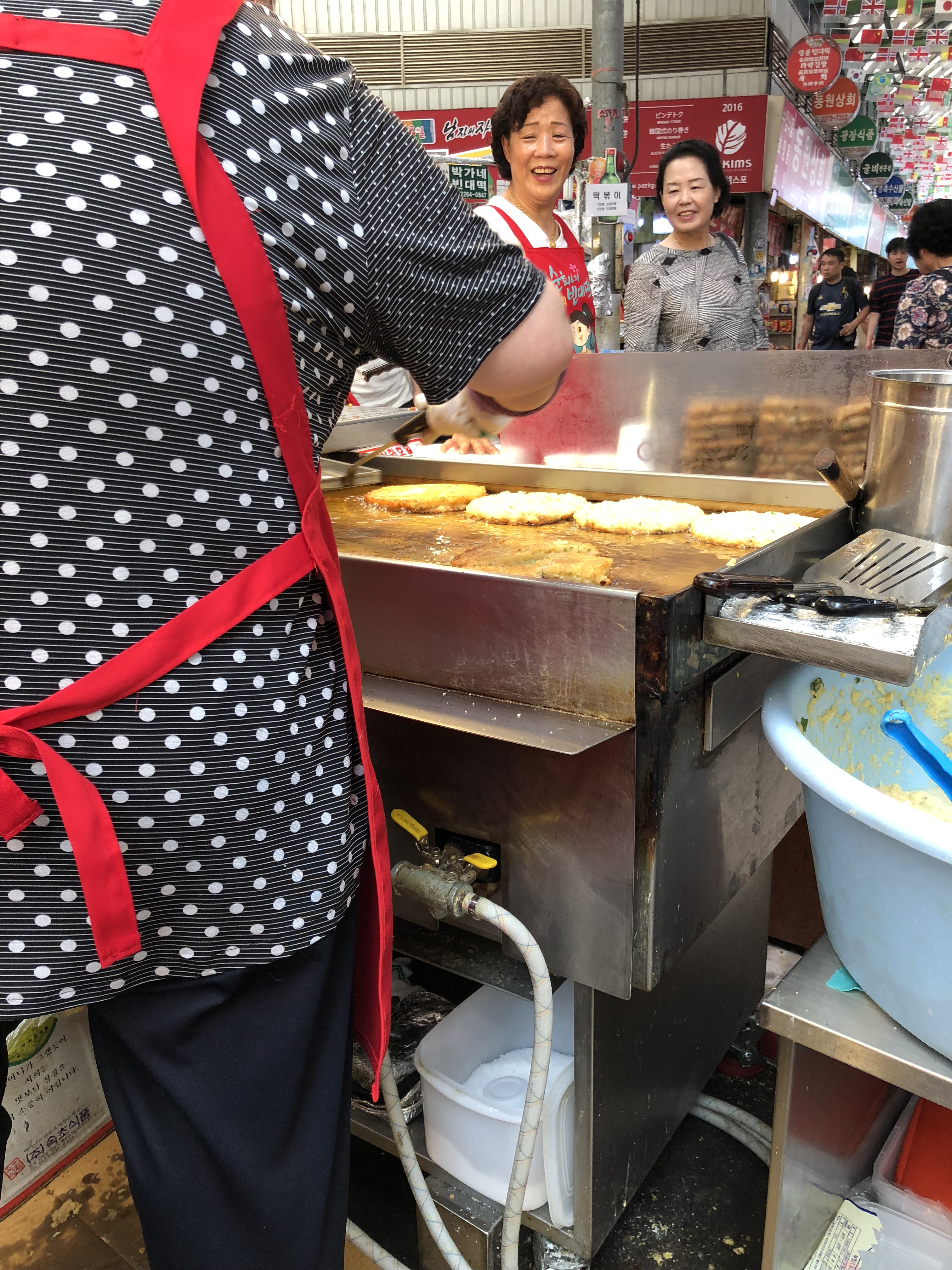
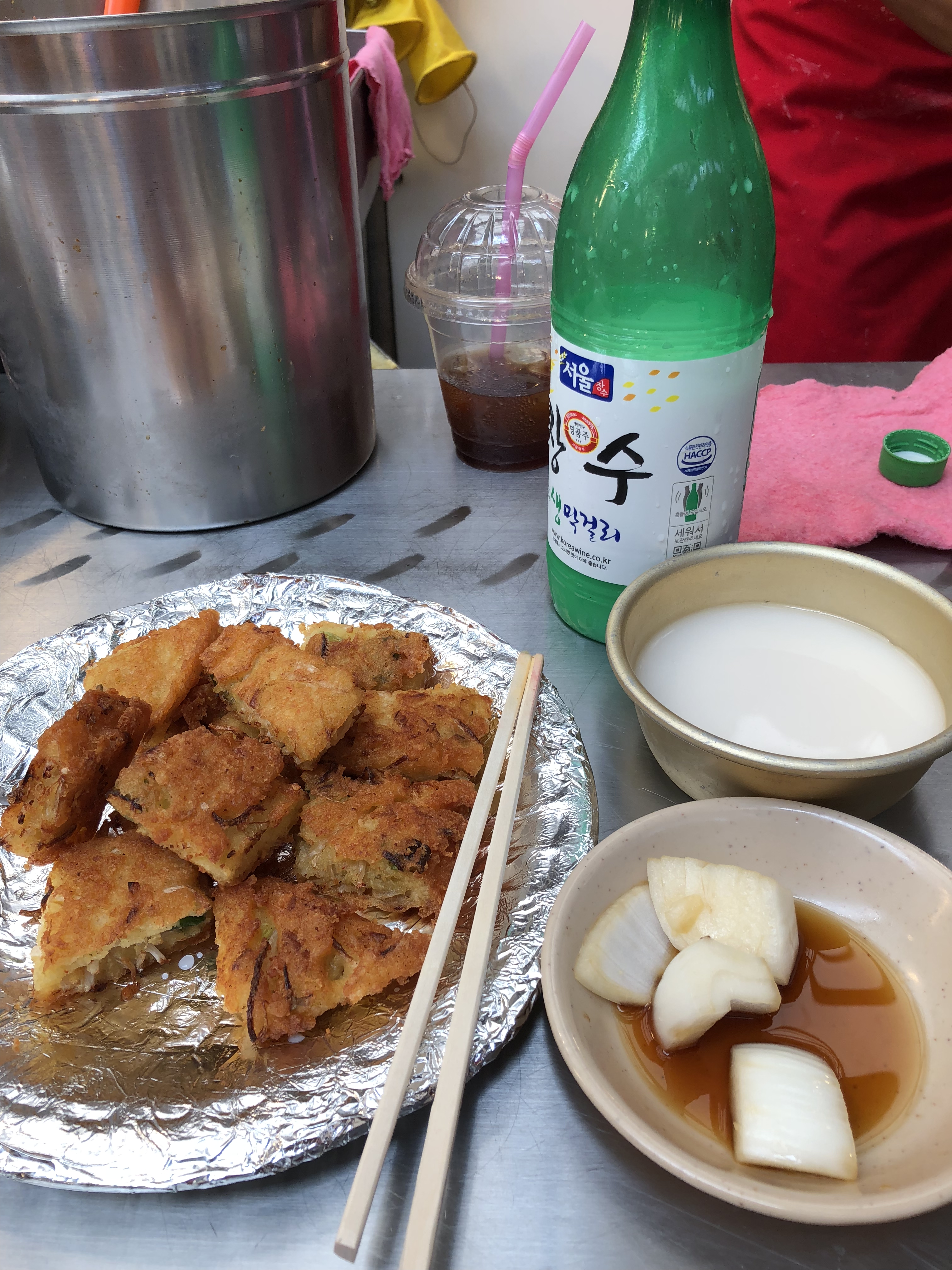
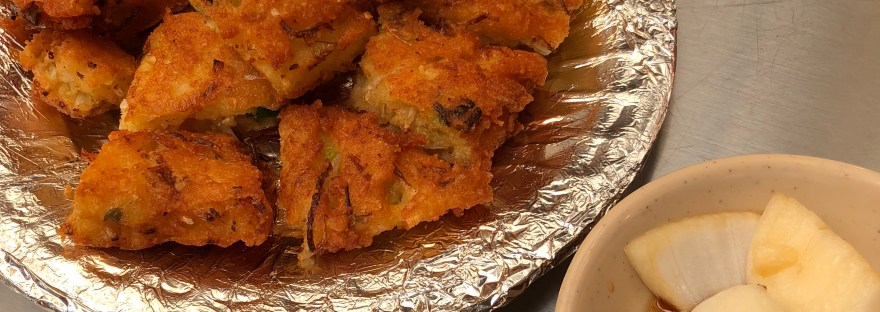
Located in A-60, it is an outpost of 순희네 (Soonhee-nae: Soonhee’s House), the most well known bindaedduk eatery in the Market. There was a bench that seated about three people next to a griddle and a mechanized 맷돌 (metdol: millstone) grinding soaked mung beans into a large vat. It was lunchtime but I lucked out and snagged a seat next to a young woman who was eating by herself. I asked for bindaedduk and said how excited I was to have it since I have been dreaming about it for years (the truth!). I started chatting with the lady in front of the sizzling griddle with the pancakes spitting and crisping up to a golden brown. As she put a styrofoam plate covered in foil in front of me with the bindaedduk cut into small pieces and a side of sauce, she said “빈대떡엔 막걸리가 딱인데 (For eating bindaedduk, makgeolli is the best accompaniment).” So I ordered a bottle. Mass market makgeolli does not come in bottles smaller than 750ml and even if it’s about 6% ABV or less, it’s a lot of day drinking, but what the hell!

She also gave me some 완자전 (wanjajeon: meat pancakes) to try. A perfect bindaedduk is crispy on the outside and creamy on the inside, salty, savory, and filled with stuff. I turned to the young woman and asked in Korean if she would like some makgeolli. She replied in English that she was Japanese, and upon a repeat offer in English, she accepted. After she was done, she smiled and thanked me and left. My next neighbor was a pilot who was trying to purchase a bag of batter to take with him back home to Canada. I translated his request to the 이모 (eemo: auntie, strictly speaking, mother’s sister) and translated her instructions on how to fry it up to him. It was a glorious lunch, chattering with strangers and filling my belly. The bindaedduk-makgeolli combo, while classic, was one that I had never had before and I had a strange coming-of-age feeling. I promised to return. At the time, I didn’t realize how soon that would be.

About fifteen minutes later, as I neared Kyungbokgoong, it suddenly dawned on me that I had not paid for my meal! I hurried back, red from walking fast in the heat, completely embarrassed. I sheepishly apologized and asked how much I owed her. She looked at me with a wry smile and said, “그냥 가지 (you should have just gone).” Her assistant chuckled and said she was trying to treat me to lunch. She accepted the money but then gave me a large bag filled with bindaedduk and wanjajeon. I teared up a little.

During the pandemic, I made bindaedduk a few times but it was never like the one in Gwangjang Sijang. For one thing, it takes griddle mastery to get the oil temperature correct. Plus, Soonhee-nae probably has a secret recipe to have just the right consistency. Nevertheless, here is my recipe.

빈대떡 (Bindaedduk)

  • 1 cups split mung beans (The yellow beans look like tiny yellow split peas. You can also use whole mung beans and gently rub of the skin after soaking.)
  • 1 cup water
  • 4 Tbsp glutinous rice flour (Alternatively, you can soak 1/4 cup glutinous rice with the mung beans.)
  • 1/2 cup napa kimchi, chopped
  • 1 scallion, chopped
  • 1/2-1 cup various other stuff like bean sprouts, ground meat, leftover banchan, etc.
  • 1 Tbsp sesame oil
  • Salt, pepper, sesame seeds to taste
  1. Soak the mung beans for about 6 hours and drain well.
  2. In a food processor, grind the soaked mung beans and water but not too finely.
  3. Add glutinous rice flour and mix.
  4. Add the rest of the ingredients and mix into a thick batter.
  5. Let it rest for about 20 minutes.
  6. Heat oil gently in low heat in the griddle or cast iron pan or frying pan.
  7. Add the batter in small scoops, about 1/3-1/2 cup (do not crowd the pan).
  8. Flip over when golden brown and fry until cooked through and golden brown on both sides.

You can keep the batter in the fridge for a day or two.

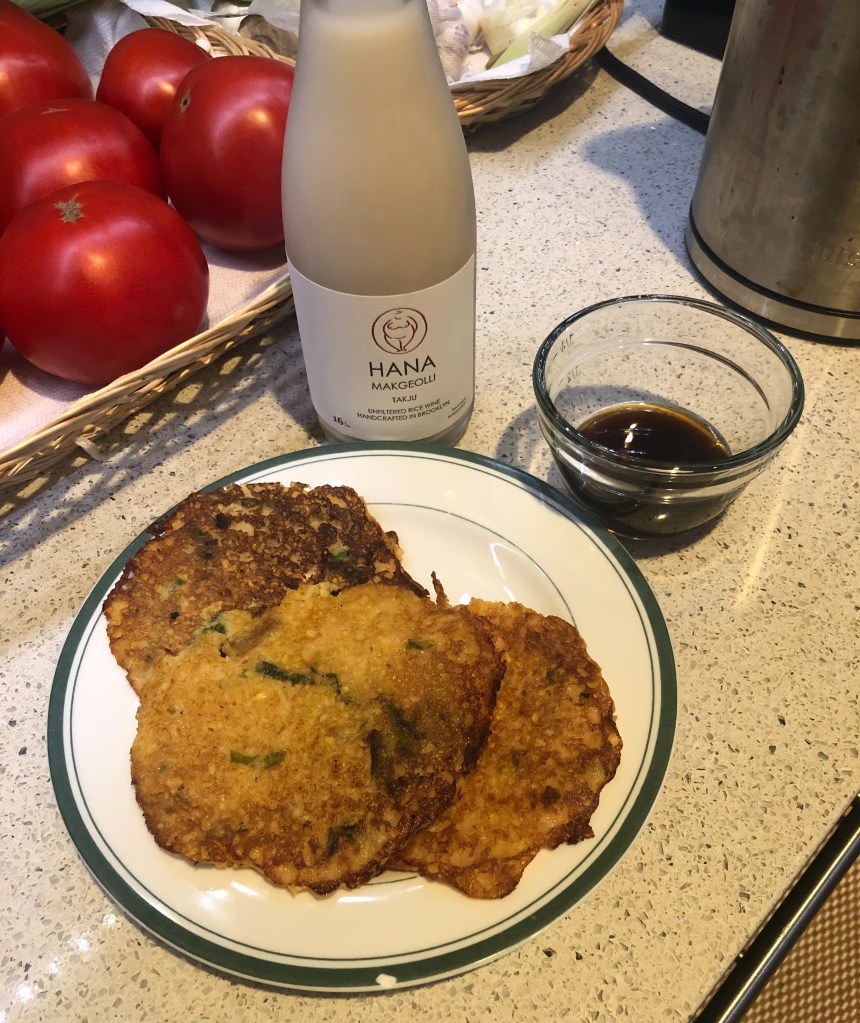
I have not been able to replicate this experience for years because finding makgeolli in Philadelphia is almost impossible unless you go to an HMart with a liquor license (too far for me without a car) or special order it through the PLCB. Recently, I discovered Hana Makgeolli, an artisanal makgeolli brewery in Brooklyn that would ship!

I burnt this batch a bit, and it is tasty but not even close to stand A-60 in Gwangjang Sijang. As I wait for the day I can travel back to Korea for the full experience, this will have to do.

Cooking

Will the real jollof rice please stand up

Today, I violated my own rule of not cooking chicken (unless it’s chicken soup) in the house and for good reason. For the first time in a very long time, I made jollof rice.

There are several reasons why I hardly ever cook Ghanaian food at home. Ingredients must be just right and I don’t know how to pick them. West African grocery stores are a wondrous maze to me. I remember the last time I went was about a dozen years ago when my brother visited from Singapore and wanted to stock up on Ghanaian groceries. We went to a store in West Philly with a Ghanaian friend who led us through the many aisles to make sure we got the legit stuff (We also met the co-owner of the store, a Korean woman married to a Ghanaian Jamaican man, and we chatted for a while. That’s another story.). Growing up, I only ever ate food that was made for me and I never bothered to learn to make it myself. Had I known how wistful I would be, I would have paid more attention. Finally, but perhaps most importantly, it was the absence of shito.

Shito is a Ghanaian hot pepper sauce made with hot pepper, oil, and dried fish as the main ingredients. Each family had their own shito recipe and you never bought the stuff in the store, at least not when I was growing up. It’s an all purpose condiment that goes with everything and the smell and taste is what makes the food Ghanaian in my mind. If I go to a restaurant that purports to serve Ghanaian food and shito is not offered, it’s not real to me. The last time I had shito in the house was almost a decade ago when a friend gifted me a small jar. If I remember correctly, it was a sample for a recipe that was about to go into the market in Canada and the United States and for that reason, it was not as pungent as it should have been. It was good but not great.

Then a few weeks ago, I ordered jollof from Fudena, a Ghanaian take out near my house. In the comment, I asked if she sold shito. When I went to pick up the order, Ruth, the founder, was working the window and she said that she did not sell it but she had some that her mom made at home and she was happy to deliver it to me. Two weeks later, she texted me to say that she was picking her mom up from the train station and she would swing by with the shito. I met Ruth on the corner where she was parked and she handed me a bag and it was HEAVY!

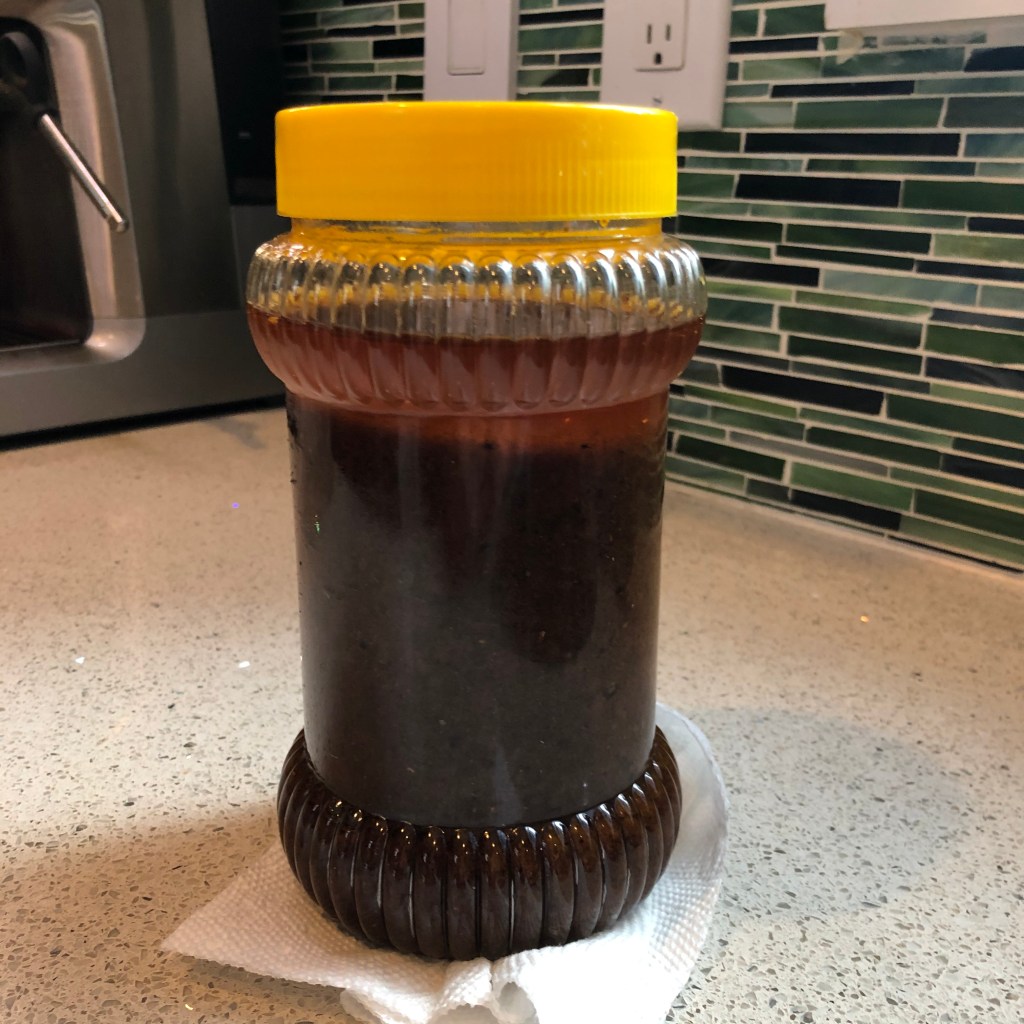
Homemade Shito

What I received was a full liter of shito, the real deal, freshly made less than a week ago, by Ruth’s mom! My jaw dropped behind my mask. I was so grateful. We ended up chatting for about 15 minutes, Ruth and her mom in the car, me standing a few feet away, all of us masked. It was a while since I talked to someone who knew about Ghana in the 1980s, knew my school, understood the healthy skepticism we had about food that we didn’t personally know the source, all spoken with the familiar lilting Ghanaian accent. I have met Ghanaians and Ghanaian Americans in Philadelphia, mostly people who are younger than me and/or born in the United States. Talking to Ruth’s mom was like coming home. We promised to hang out once the pandemic was over to chat about growing up in Ghana. That jar of shito is, to me, a treasure.

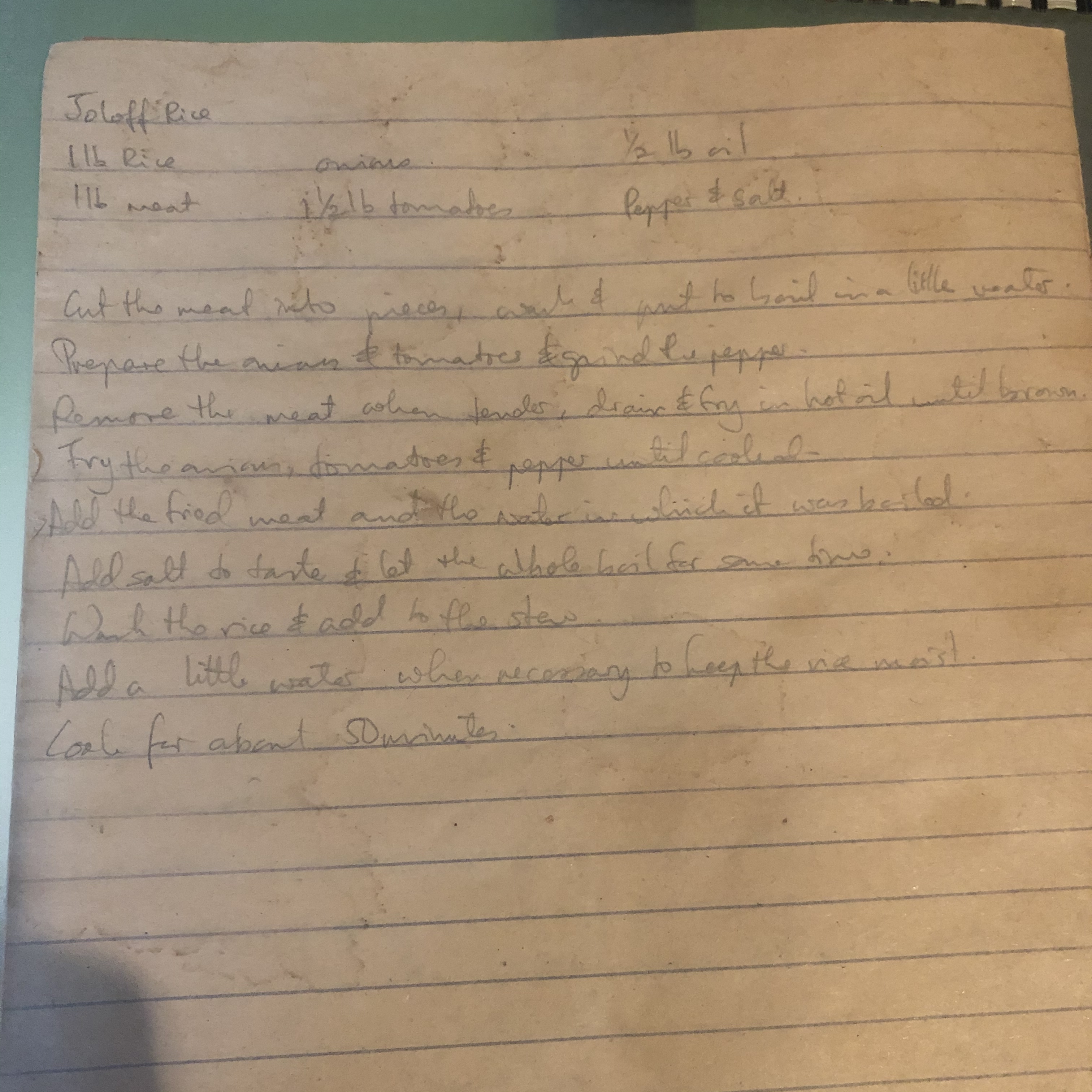
Now, I had to make some jollof rice. The problem is making sure that the recipe is a Ghanaian one. A guest writer for Food 52 talks about jollof rice being a “unifying dish across West Africa” and offers a Nigerian recipe. That blog pissed me off for a while and I can tell you for sure that I wasn’t about to use that recipe. That being said, I wasn’t sure how much I could trust what I googled. Then, I remembered that when I was leaving for college, I had written down some recipes that I wanted to have with me when I finally learned how to cook. I dug it out from a box of letters and keepsakes that had traveled with me for almost three decades. The last recipe in it was jollof rice.

By the vagueness of the description, it was probably not out of a recipe book. I am guessing it was told to me by Auntie Amanda, the woman who helped raise me and cooked for the family, and I had quickly written it down.

Jollof Rice

  • 1 lb rice
  • onions
  • 1/2 lb oil
  • 1 lb meat
  • 1 1/2 lb tomatoes
  • Pepper & Salt
  1. Cut the meat into pieces, wash, and put to boil in a little water.
  2. Prepare the onions and tomatoes and grind the pepper.
  3. Remove the meat when tender, drain, and fry in hot oil until brown.
  4. Fry the onion, tomatoes, and pepper until cooked.
  5. Add the fried meat and the water in which it was boiled.
  6. Add salt to taste and let the whole boil for some time.
  7. Wash the rice and add to the stew.
  8. Add a little water when necessary to keep the rice moist.
  9. Cook for about 50 minutes.

Some notes:

  • 1 lb of rice is about 2 1/4 cups of rice. I used white rice.
  • 1 large onion, diced, is what I used.
  • I used about 1/4 cup of olive oil.
  • The meat I used is skinless boneless chicken thighs. It’s best not to have the skin on for this recipe. Although less common, you can use beef.
  • I used 5 small vine ripened tomatoes, rough chopped, skin on.
  • I added 5 cloves of garlic when boiling the meat and added it to the pot later. I used 2 cups of water to basically make the chicken broth.
  • Pepper is not black pepper. Pepper is fresh hot pepper. Since I can’t get Ghanaian hot pepper, I used a combination of 2 Cayenne peppers and 10 red jalapeno peppers. I ground it with about 1 Tbsp of kosher salt in the food processor. I think I could have added a red habanero or Scotch Bonnet to make it spicier.
  • Instead of adding more water to make the total amount of liquid necessary for cooking, I added a cup of Low Sodium V8.
  • I used an Instapot. I had a recent debacle with potatoes not cooking properly in a tomato based curry and a friend pointed out that if you cook starch in an acid based sauce it will take longer unless done under pressure. Nothing worse than crunchy rice.
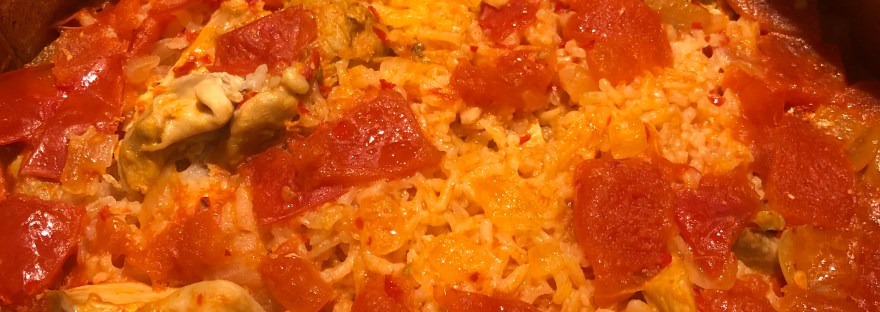
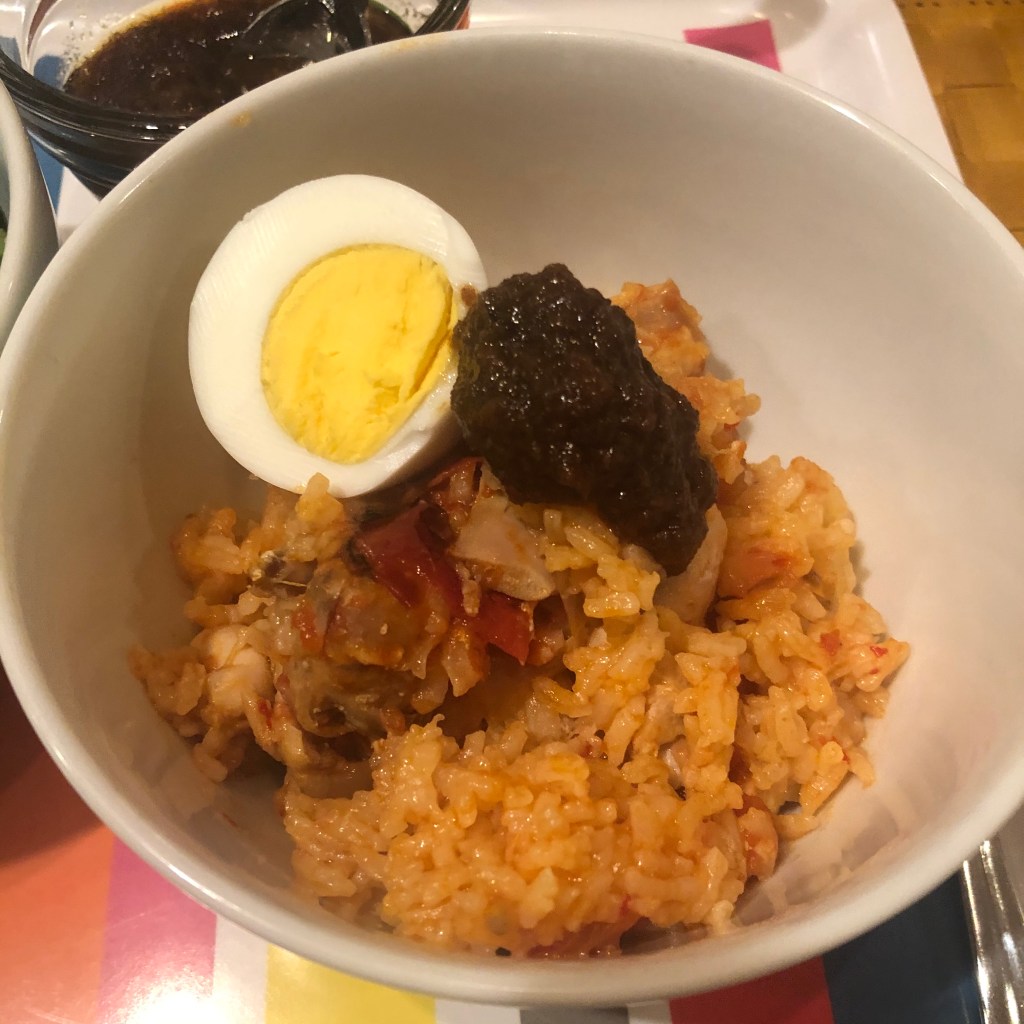
Chicken Jollof Rice with Shito and Boiled Egg

With the boiled egg and shito, it was exactly how I remember the jollof rice of my childhood to be. I was probably a tad exuberant with the shito because now I have heartburn. But I regret nothing!

I uploaded the photo on our family group chat. My brother wrote: “If it turned out well, please share the jollof recipe.” Then he added, “It’s not a Nigerian recipe, is it?”

Cooking

Soybean Sprout Soup/콩나물국

The last time I spent any amount of time with my grandmother was almost thirty years ago, the summer I turned sixteen and also vowed never to go back to Korea. The last time I saw her was in about ten years later, a few weeks before she passed away. My mom called to say that I should plan on coming to Korea for spring break because 할머니 (halmoni/grandmother) was not doing well.

I remember she was tall (I never got to be as tall as her) and a woman of few words. Widowed early, she raised her children on her own and then many of her grandchildren. I was her first grandchild and because my parents both worked in a different city, my grandmother raised me from the moment I was weaned until my brother was born. According to my mom, when she was pregnant with me, 할머니 ordered him to do all the household chores (cleaning, laundry, dishes, whatever required physical labor). This was unheard of in the seventies in Korea, especially coming from the 시어머니 (mother in law), since the stereotype is one who treats the daughter in law like an indentured servant as the elder of the household. I guess 할머니 was the first person I met who gave the middle finger to gender norms. My dad still does those chores, by the way.

I only have snippets of memories about 할머니, because we really didn’t do much together. After the entire family moved to Ghana when I was five, summer vacations in Korea were always filled with either being shuttled from activity to activity or playing in her house with the cousins. I remember things like her taking me to the Buddhist temple and having lunch when I was very littel, and complaining while scrubbing my back raw and washing my hair, and sitting on the stoop with her skirt hiked up over her knees on a hot July day while the neighborhood grandmothers watched over the kids, and calling for us to wash our hands and eat.

콩나물국 is the food that I associate most closely with 할머니. It’s a ubiquitous soup on a Korean table that is quick and requires only a few ingredients to make: soybean sprouts, dashima, dried anchovies, salt, scallions, garlic, and water. Also, it is difficult to find in restaurants probably for its sheer simplicity and cheapness. It’s the only thing I ever remember asking 할머니 to make for me. I remember her chuckling that of all the things I asked for, it was 콩나물국. In markets in Korea, it is common to see buckets or basins piled high with soybean sprouts. It is also one of the cheapest things you can buy in bulk for multiple dishes. In Ghana, the second bathroom was off limits while the shower head was left dripping water onto a sieve for several days until the beans sprouted. Usually, whatever we harvested will be gone in a meal or two. For me, it was a real treat.

Simple as it is, until recently, I never attempted making 콩나물국. There are two reasons.

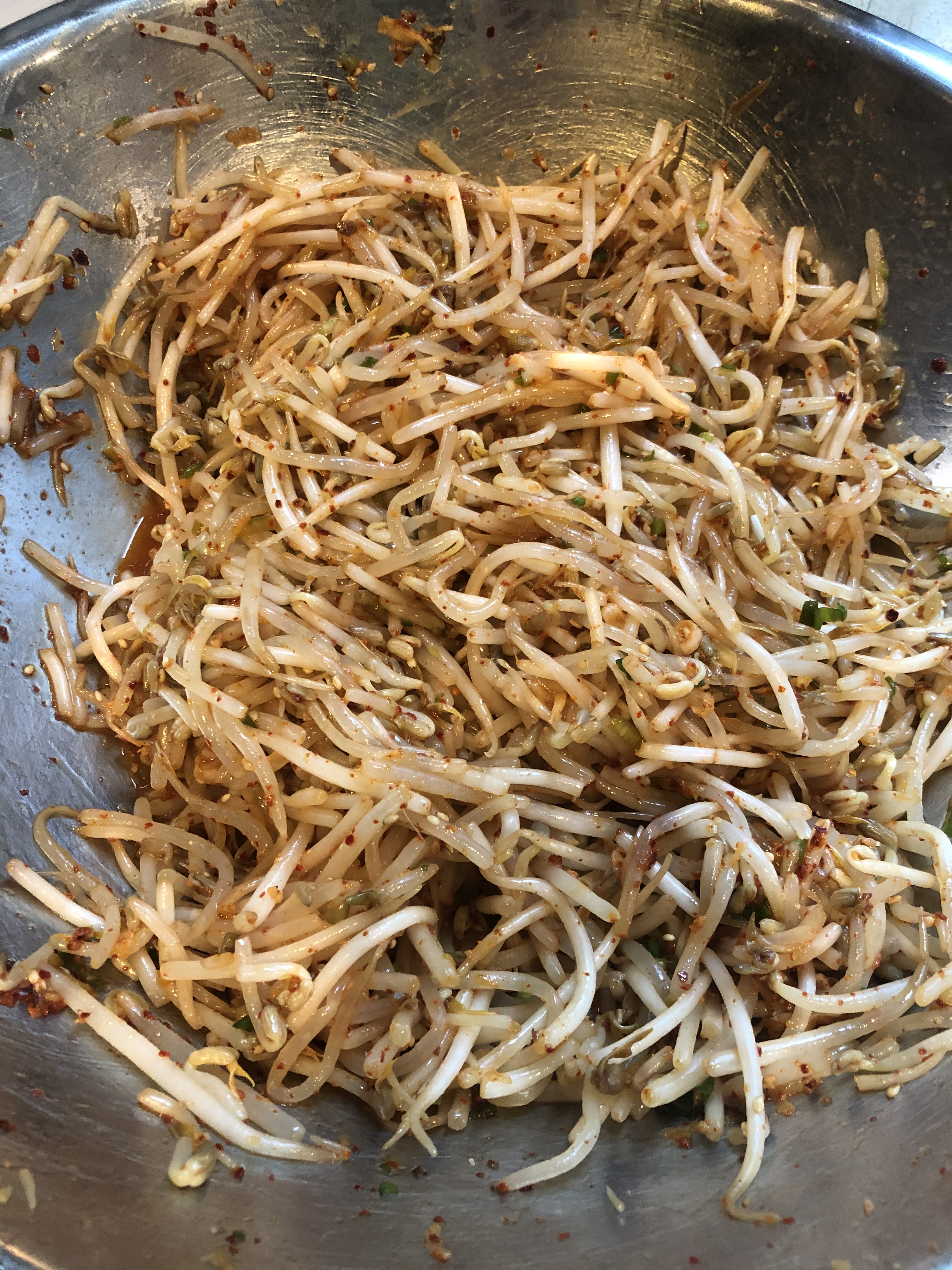
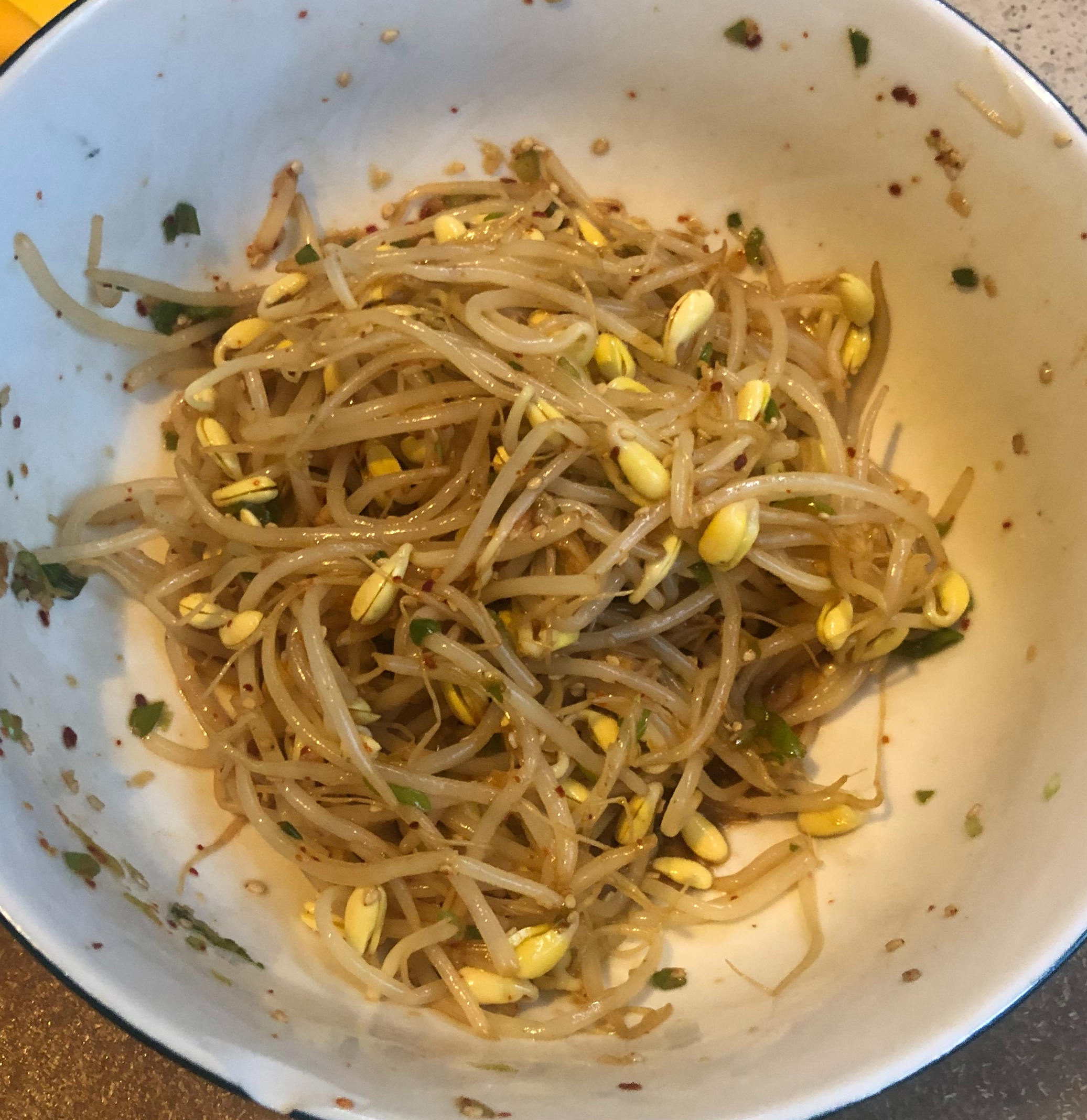
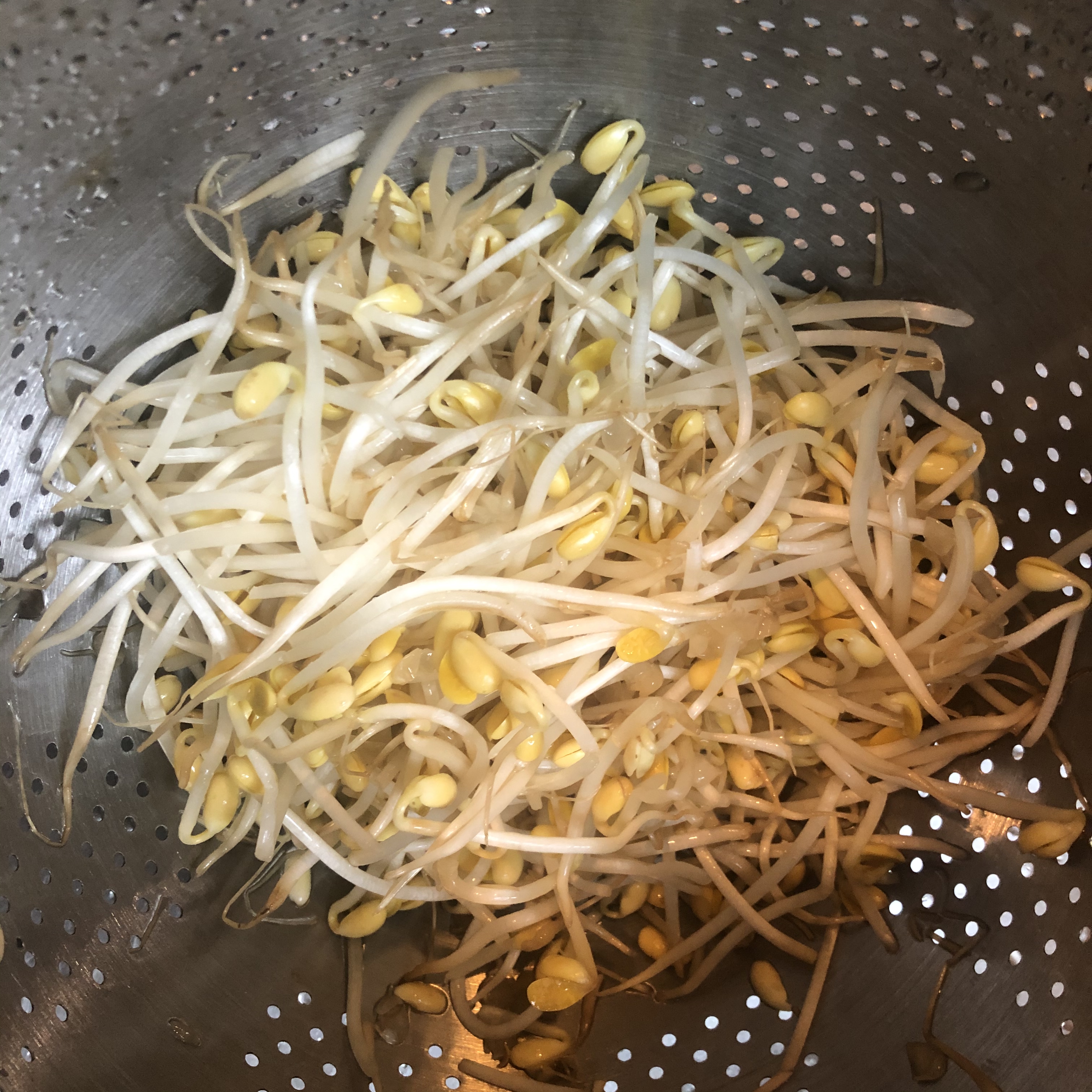
First of all, it’s surprisingly difficult to find soybean sprouts unless you have access to a Korean market. Even then, you can often end up with mung bean sprouts instead. The way you can tell that it is soybean sprout is the bright, hard, yellow split bean attached to the end. If it looks peaked and leafy, it’s probably mung bean sprouts. (See below: Mung bean sprouts on the left, soybean sprouts on the right. Both blanched and mixed in sauce.)

Mung bean sprouts in Korean is 숙주나물 (sookjoo namul), named after Shin Sook Joo, a traitor, because it turns so easily. Seriously. It turns slimy if left unused for a few days so make sure to eat it quickly. I once bought 5 pounds of mung bean sprouts by mistake, gave half of it away, and still ate sprouts for every meal for three days. Soybean sprouts are much sturdier and it kept well in the fridge for almost a week after purchase.

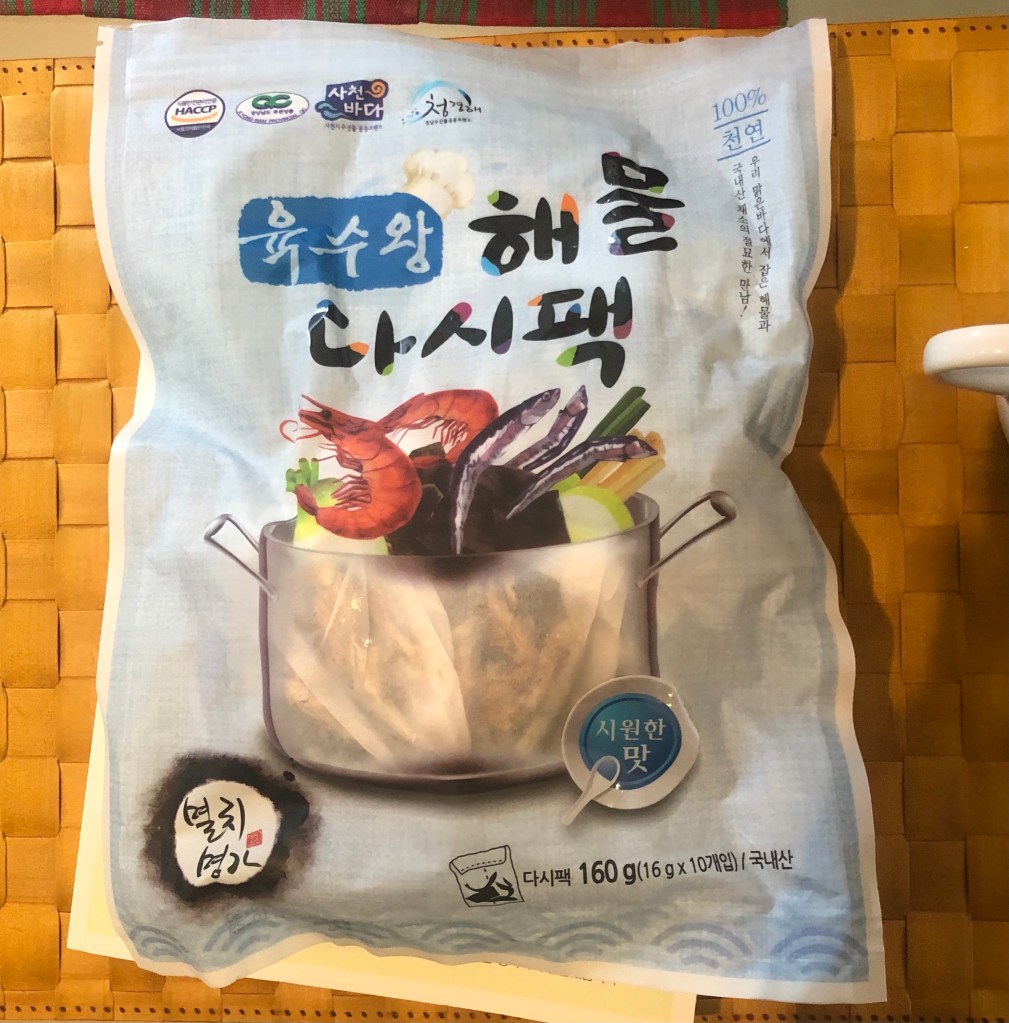
Individually wrapped soup base

Secondly, I never have dashima (dried kelp) or dried soup anchovies in the house. My mom used to send me both but that was when I wasn’t cooking Korean food much at home. Also, I only ever need a bit of each at a time so much goest to waste. Then I discovered pre-packaged dashi soup base, individually packed in large tea bags! It’s about $12 for a pack of 10, so a lot more expensive that buying the dashima and anchovies separately. (It comes in a spicy version, too). However, it’s perfect for me since I don’t cook Korean soup every day and I hate to waste good ingredients. While dried goods have long shelf lives in general, they don’t last forever.

With both problems solved, I made 콩나물국 for the first time ever.

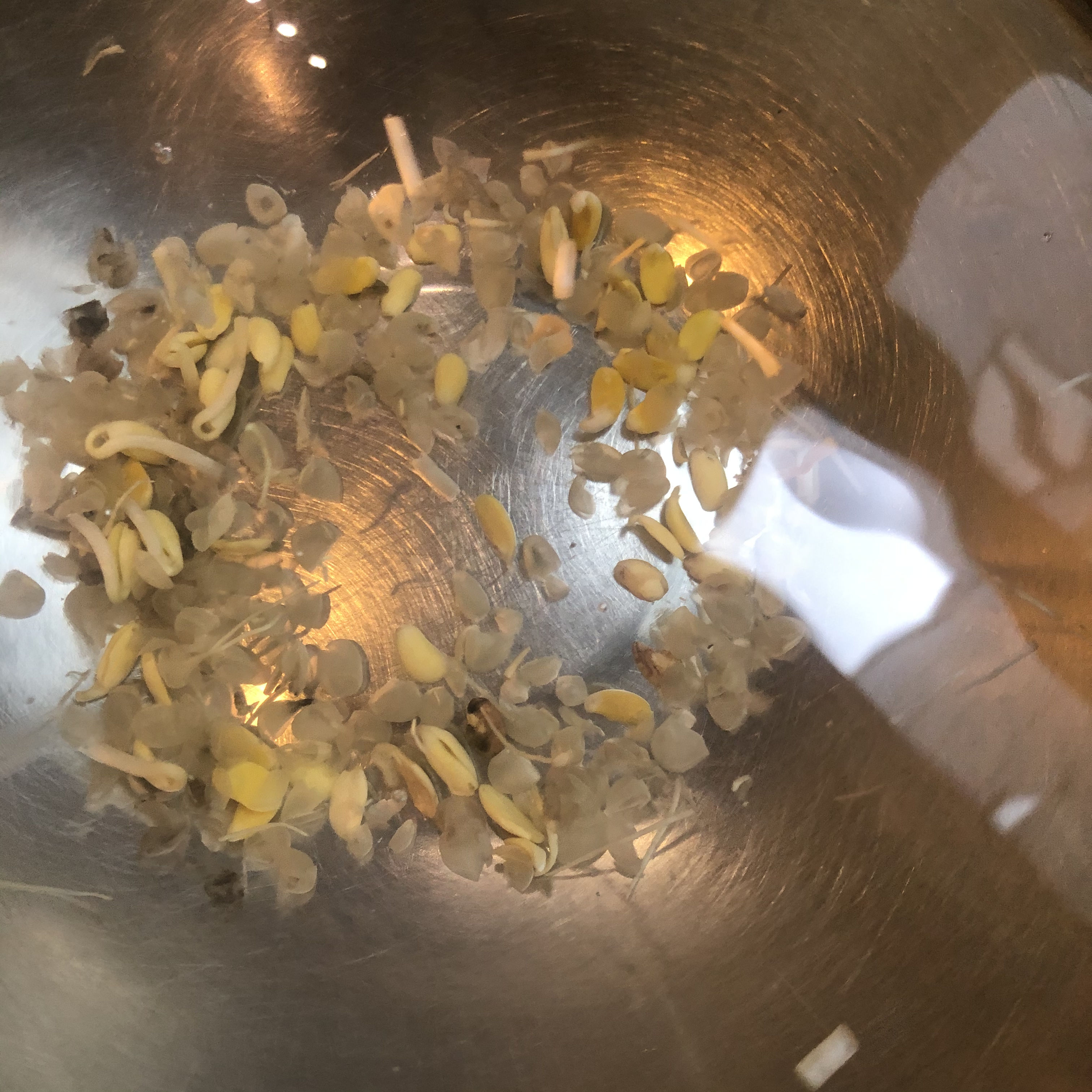
First, you have to rinse the bean sprouts in cold water and drain it. Even though the sprouts themselves are pretty clean, it may have some peels floating around (you want to get rid of the peels).

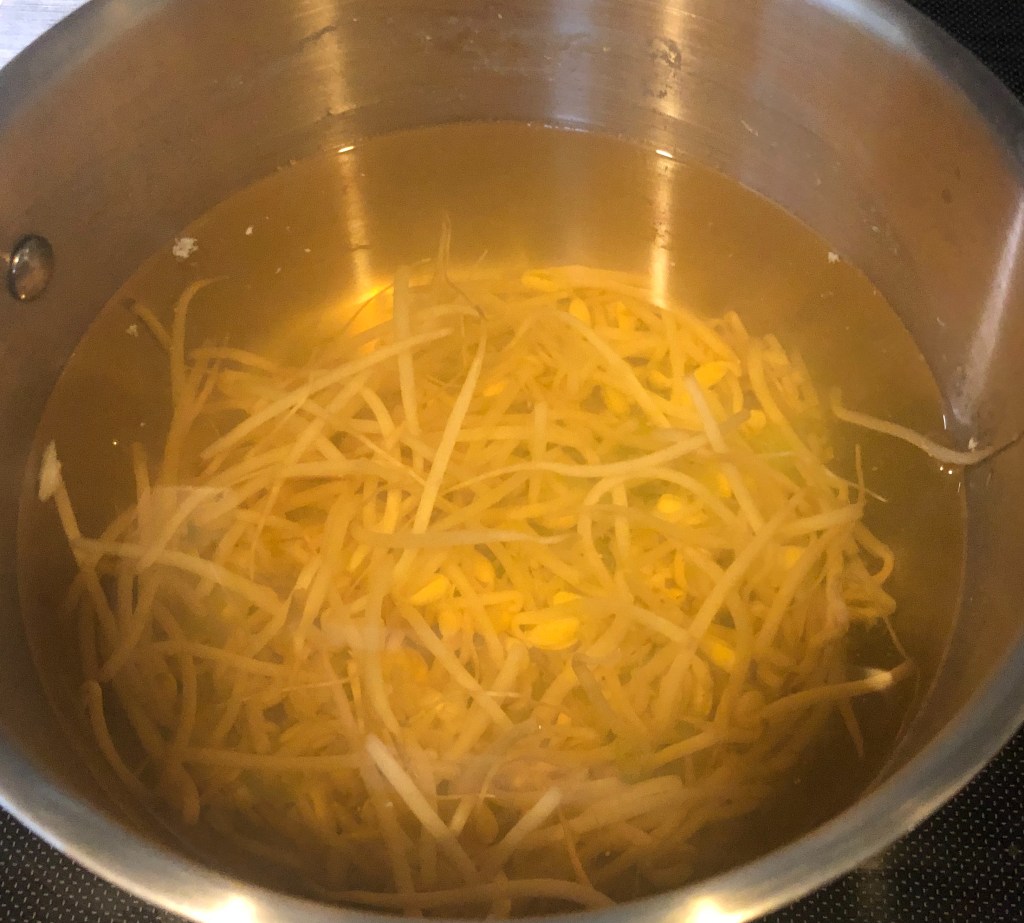
Then, it is basically putting stuff in a pot and boiling.

  • Boil 1 dashi soup base in 3 1/2 cup water for about 10 minutes.
  • Add 1 cup washed soybean sprouts and boil for another 4-5 minutes uncovered.
  • Add 1 tsp salt (or shrimp sauce) to taste, 1 tsp crushed garlic, and 1 Tbsp chopped scallions and boil for another minute or so.

You got soup. From beginning to end it takes about 20 minutes, much less if you already have the broth in hand since all you have to do at that point is throw in the ingredients and boil. You can add some Korean pepper flakes, the course one, not the ground powder, and more scallion for garnish.

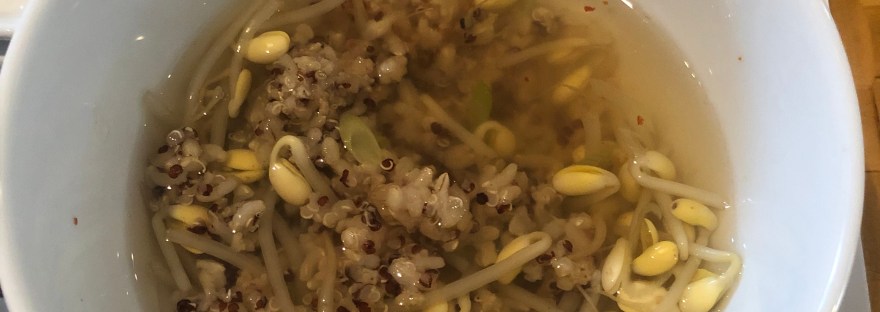
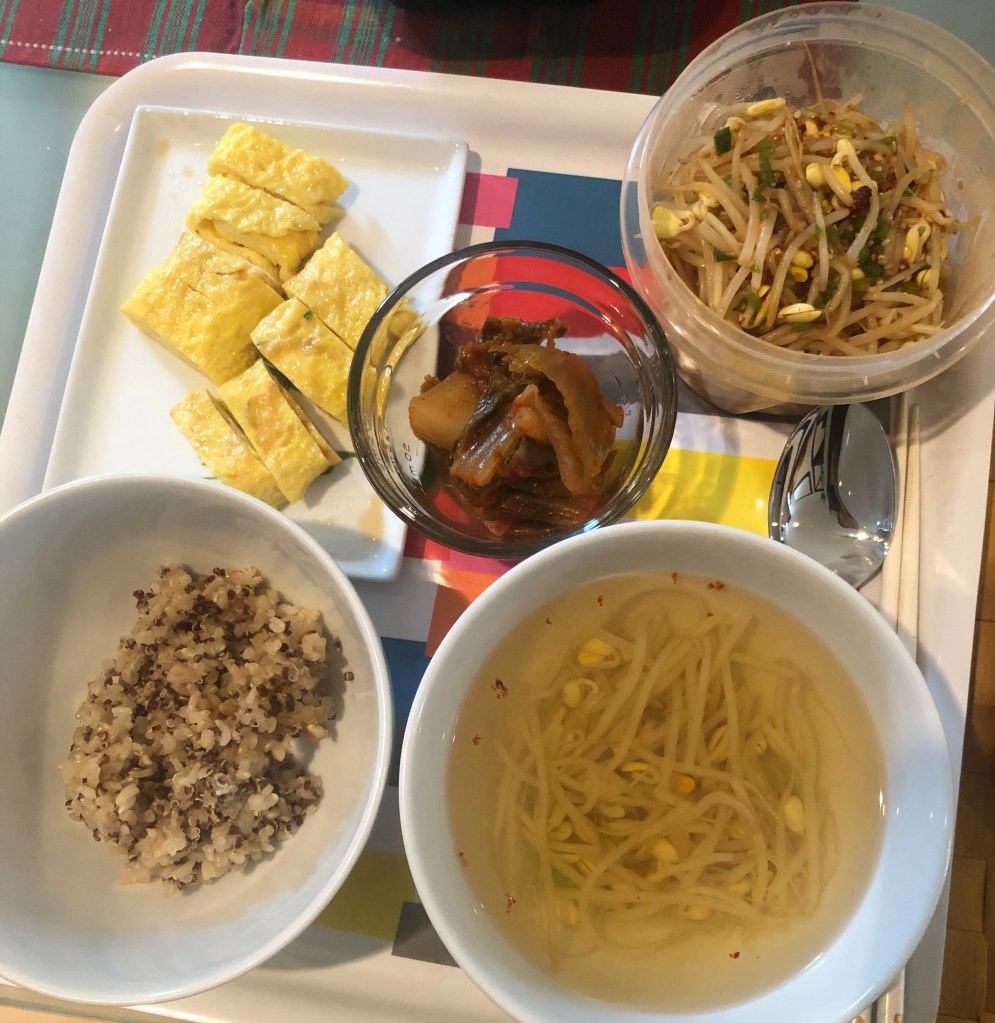
콩나물국 is a common hangover food and has been proven to help due to its arginine content. Hair of the dog aside, it’s probably a healthier choice over a greasy breakfast. I had it for lunch with some rice/quinoa, kimchi, rolled egg omelet, and 콩나물무침 (soybean sprouts in sauce), minus the hangover.

It’s been years since I had it. I don’t know how to describe the taste of it; it’s simple and complex all at once and the only unsatisfactory word that fits is umami. I am not sure if it tastes the way 할머니 made it. But I did choke up a bit because of its familiarity and its association to her. I can’t rightfully say memories, because there are no specific words or incidents or experiences that I can point to as the reasons why her loss is still so heartfelt after twenty years. Perhaps, it’s just the absolute simplicity of it all that makes it so profound. Just like the soup.

Cooking

Roasting meat in the oven for the first time

As much as I love eating meat, until the COVID era, I rarely cooked meat at home. When I did, it was usually the kind that sits in the slow cooker or pressure cooker–the dump-and-press-a-button method. Occasionally, I would be inspired to make oven cooked meatballs. And, in case you were wondering, no grilled meat because we actually don’t own a grill. The 5×8 back patio right next to the kitchen through a sliding door was probably designed for the favorite American way to cook food but somehow, I was never inspired to add that to my repertoire. Since we hardly ever have guests at home for dinner, there never was an occasion to roast a big hunk of meat in the oven.

That all changed with a shoulder of lamb shawarma.

One lazy afternoon, I was flipping through the local food news and read that Kanella Grill had a $100 lamb shoulder special, a take-home-and-cook deal, that sounded pretty amazing. On one of my runs, I stopped by the restaurant to check out what that entailed. I was reading the details fairly closely when a man walked out of the door with a cigarette in hand. Even behind the mask, it was unmistakable that it was Chef Konstantinos Pitsillides byt the piercing blue eyes made famous by Giles Coren’s “Million Dollar Review”. We exchanged brief greetings and he said to call at least 24 hours in advance because the spices needed to be marinated for at least that long. I took note and found a day in the next week to call in the order. I received a simple text to pick up the lamb the next day in the early afternoon.

Chef Pitsillides opened the door and motioned me to come in. He gave me a quick tour of the kitchen, empty of people but spic and span and readied for the evening take out business. I must confess, it was a fangirl moment for me. The Chef probably does not remember, but when my in laws were visiting one time, we went to his larger (now closed) restaurant for an amazingly memorable dinner. After the Dude’s family left Lebanon, they finally settled in the Greek side of Cyprus and that is where he grew up until coming the the United States for university. Having spent his youth and most summers beaching and hanging out with friends, he considers Cyprus his hometown in many ways. The food that was served were reminders of his childhood and, for his parents, nostalgia for a place where they lived for over twenty years. When the Chef came by to check on us, there was much chatter about places and experiences, none of which I knew about but could relate to since it is the same warmth that glows every time I talk about Ghana with people from a similar time. With the dessert, he brought out his private stash of Lebanese arak to share. My in laws still talk about that dinner.

Handwritten cooking instructions

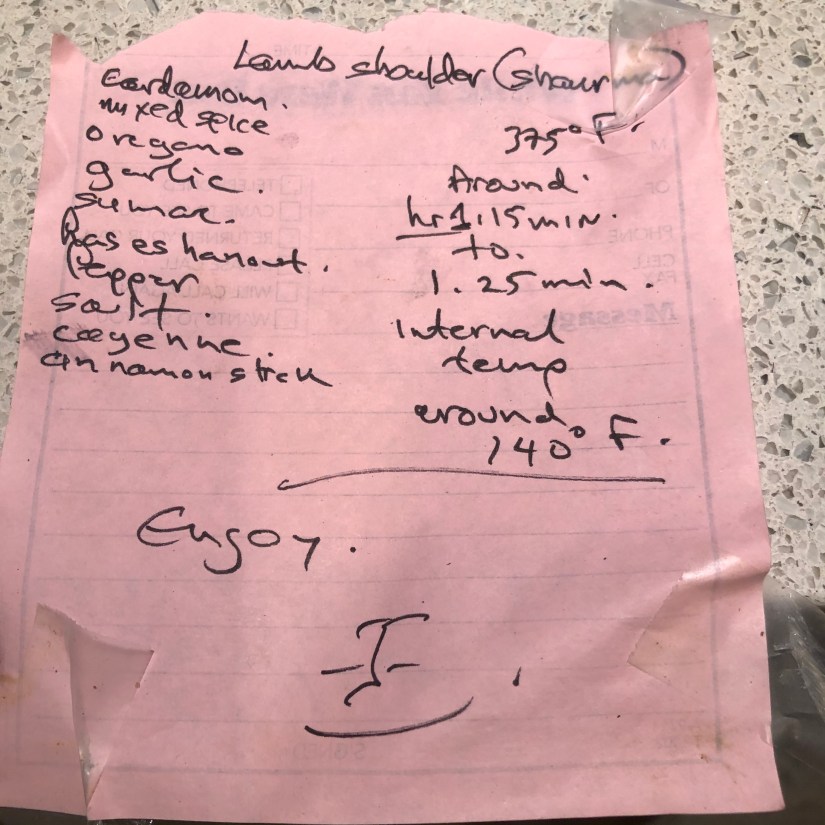
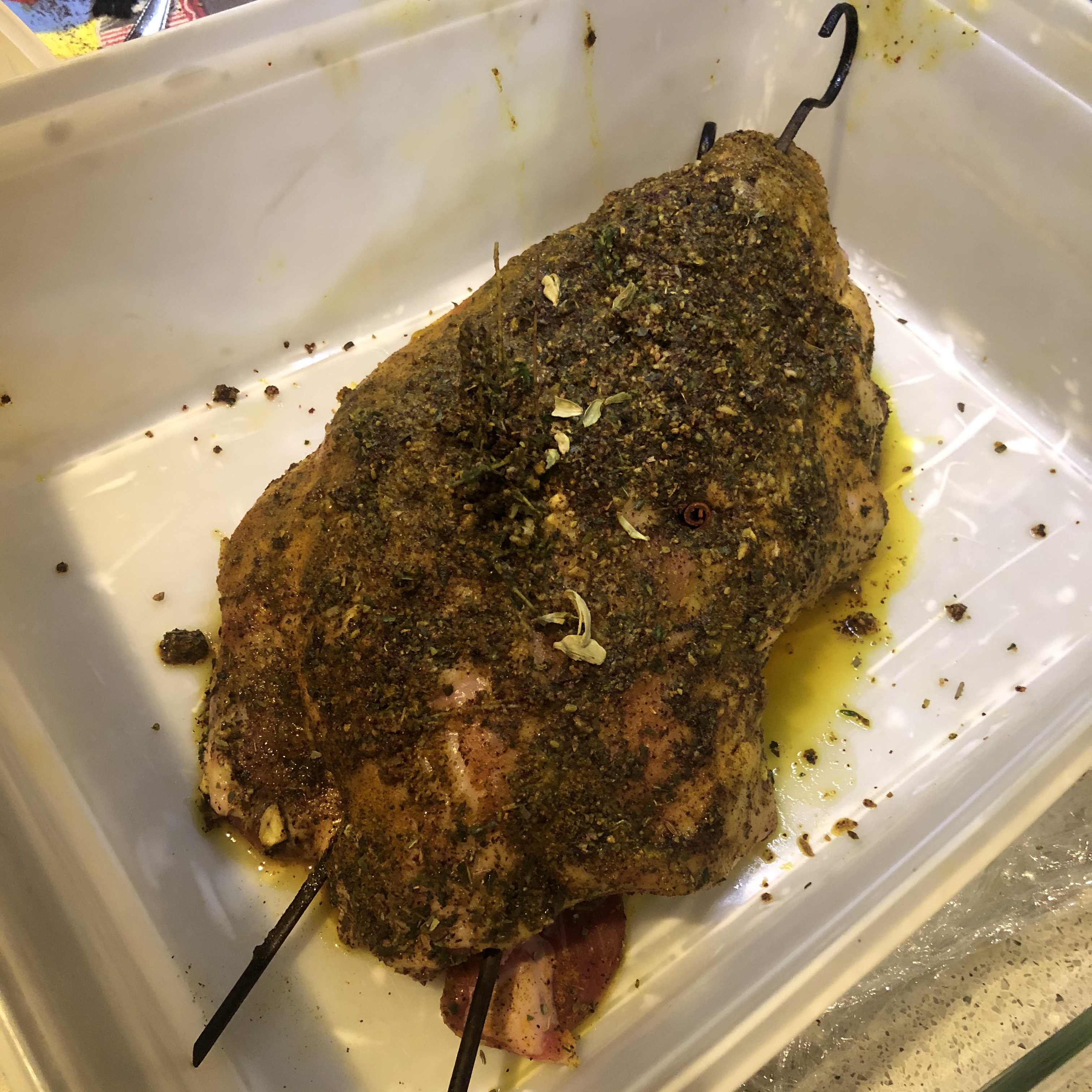
The Chef emerged from the basement with a large plastic bin wrapped in plastic in his arms. It was the ENTIRE shoulder of lamb pierced with two deadly looking skewers. I could smell the spices and marinade through my double mask. He pointed to a handwritten note taped to the top with the list of ingredients and brief instructions. He asked how how my oven temperature went up to and said 375F was probably the right temperature. He reminded me to make sure to rest the shoulder for a good 2 hours before slicing into it. But, he said, I could trim the edges while I waited to make sandwiches, which is what he does. He also handed me a small container of house blended ras el hanout and a tub of labne as an accompaniment. I promised to return the two skewers and the plastic container and walked home with an 8lb lamb shoulder in my arms.

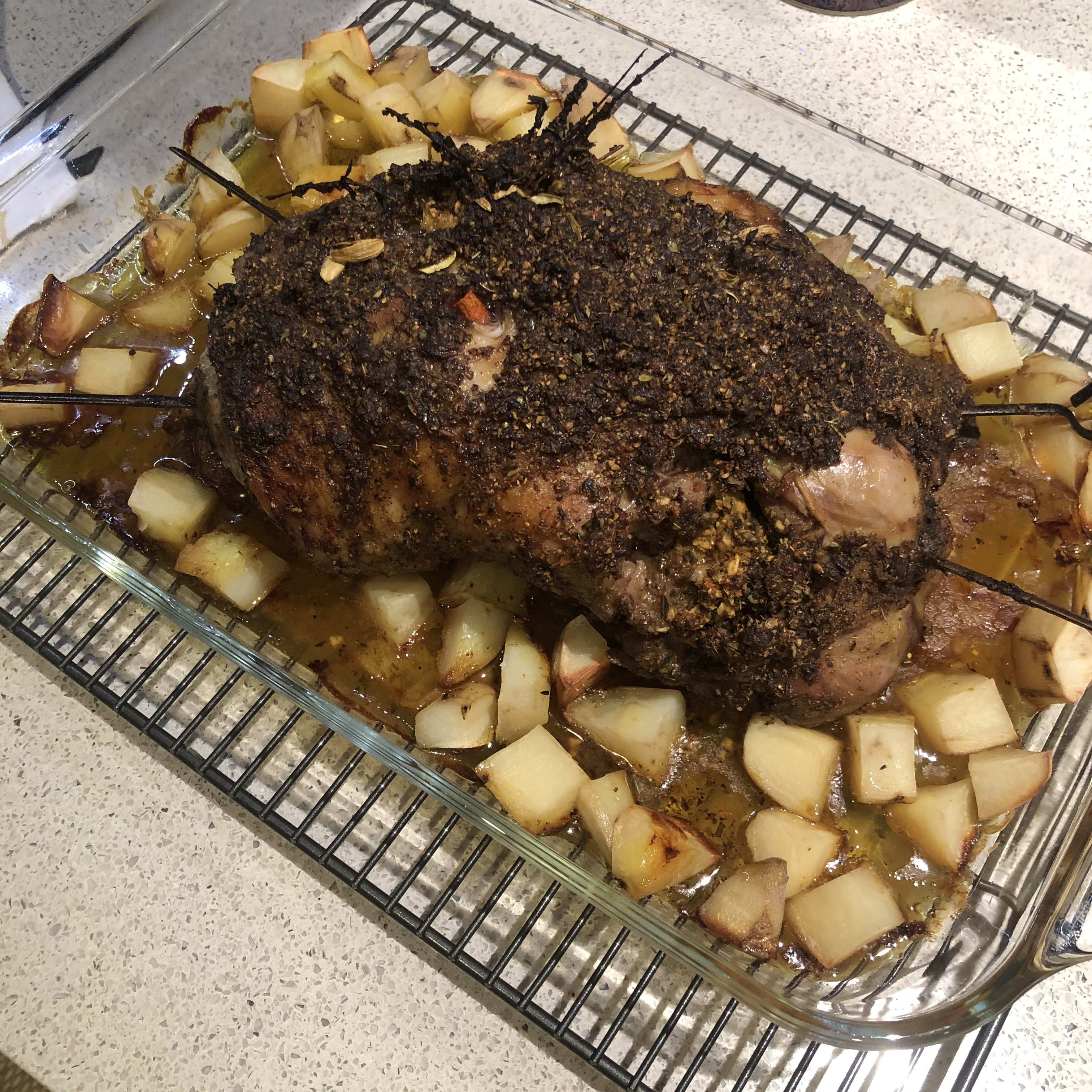
Once at home, I preheated the oven to 375F as instructed. I surmised that the drippings would be too good to waste so I cut up some potatoes and spread it evenly at the base of the pan. I let the oven run empty for about half and hour after reaching the desired temperature then slid in the baking pan.

I won’t lie: waiting was torture. The entire house was filled with the savory aroma of cuminy spices intermingled with the fresh game of lamb. I could almost hear the gentle sizzle of the potatoes browning in the lamb fat. I wondered if it would be wise to open the windows in January and how far the scent will travel and what the chances are of having unexpected dinner guests who ended up at my doorstep by following their noses. The windows remained closed.

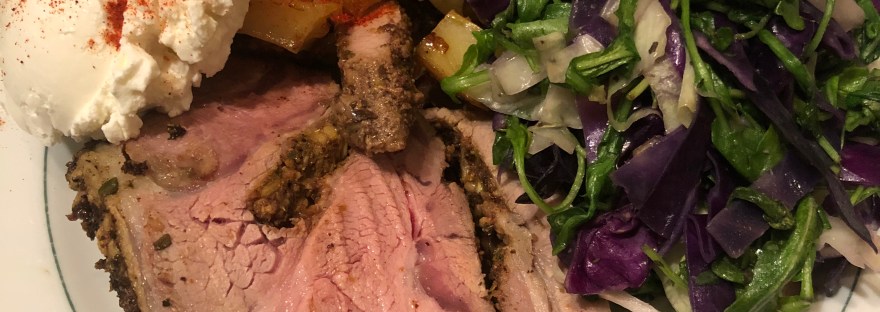
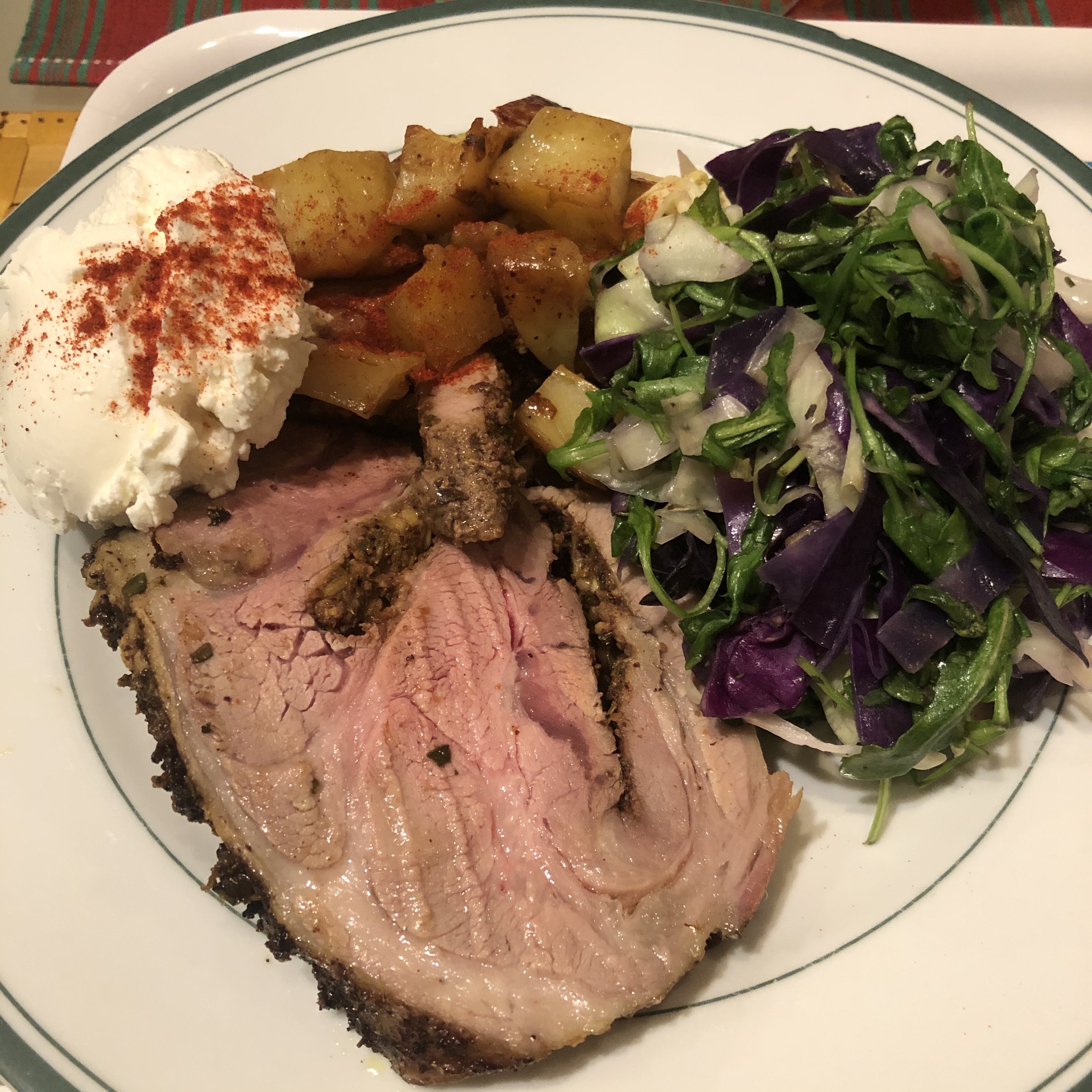
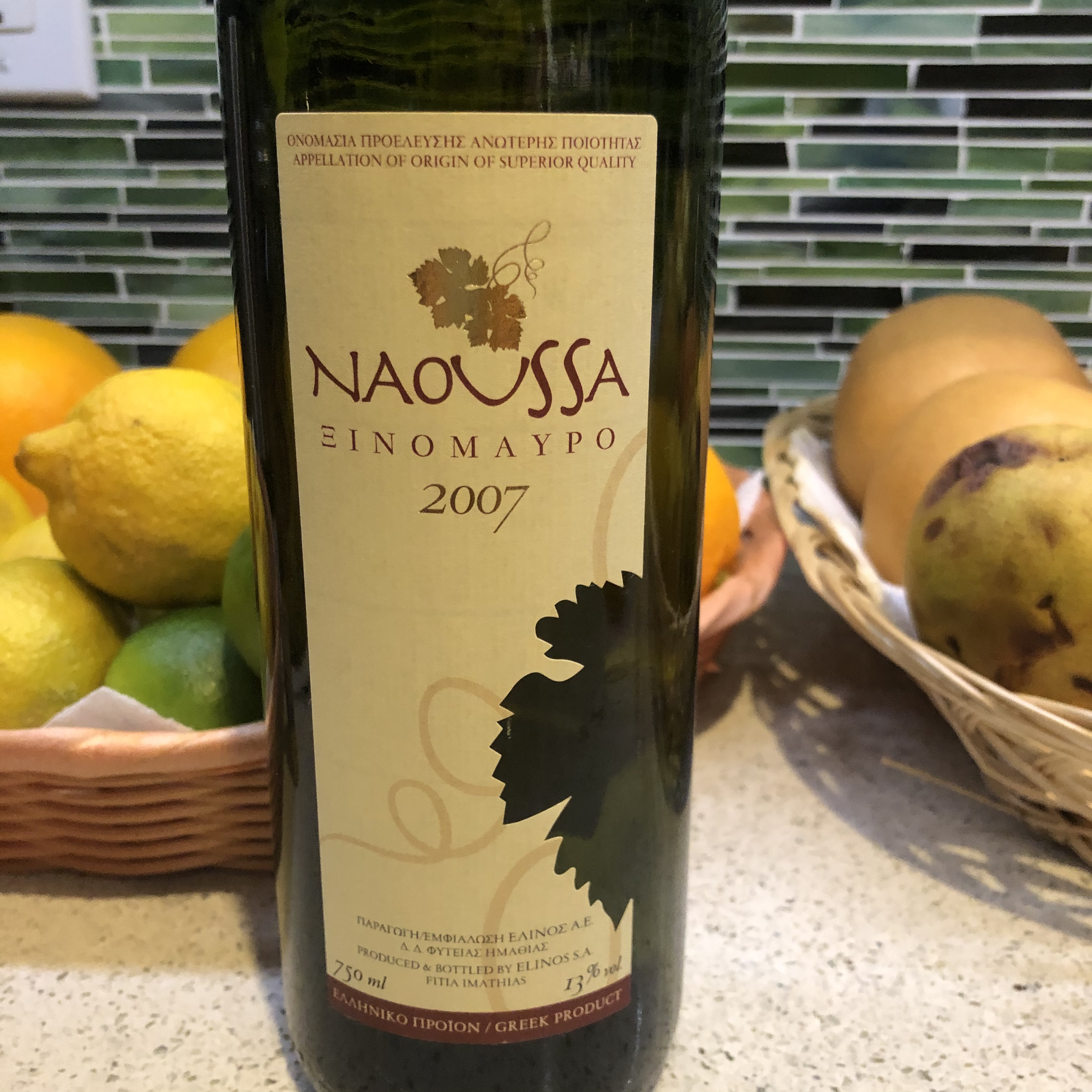
I resisted the temptation to snip off bits on the ends while the lamb shoulder rested, even if it was a chef-approve pro tip. It was dangerous territory that could end up being a pound of meat being tasted before dinner. Accompanied by a quick saute of greens (red cabbage, white cabbage, arugula), pan roasted potatoes, labne, and a decanted bottle of xinomavro, the lamb shone. We may have skipped dessert for the sake of decency. We had lamb for three more dinners (It freezes well. Defrost in the refrigerator and pan sear in high heat for 30 seconds each side.).

Recently, I passed by Kanella Grill and the deal was no longer posted on the window. As the weather breaks, restaurant workers and guests get vaccinated, and indoor dining becomes safer, I hope that the boards on the windows are discarded and the blue and white decorated gem of a restaurant returns to the hustle and bustle and sizzle of 2019.

I don’t know if Chef Pitsillides will ever bring back the cook-at-home lamb shawarma special. Meal kits as a concept was an unexpectedly bright spot in the take out dining scene during the pandemic. A part of me wishes that it will remain an option even when restaurants return to traditional operations. I know I will definitely be in line to score another shoulder of lamb.

Cooking, Uncategorized

Contemplation over Hummus

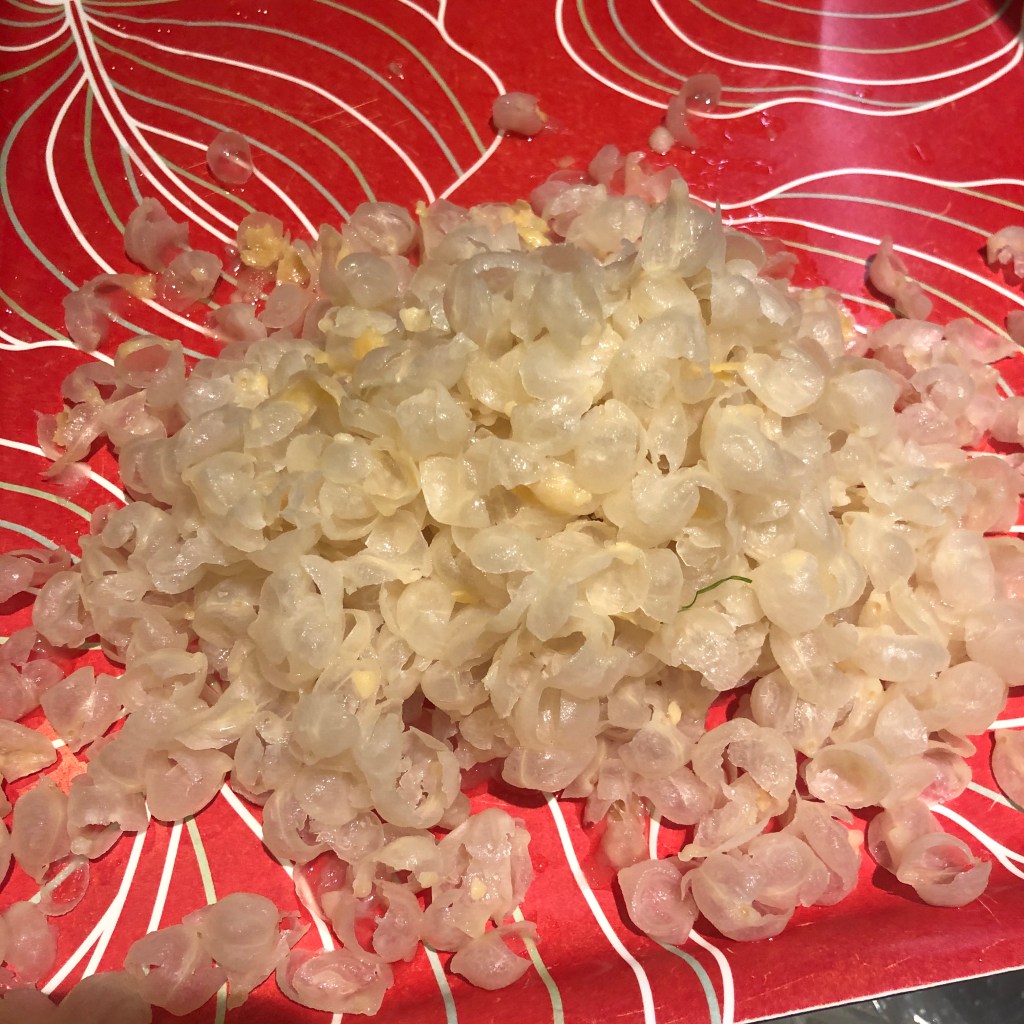
On St. Patrick’s Day, I stood at the white quartz counter of my Philly rowhome, listening to K-Pop and peeling boiled chickpeas to make hummus. Today’s Spotify selections seem to be mostly ballads, resonating with the mood of the day marked by the murder of eight people in Atlanta, what I am certain is a hate crime against people of Asian descent. Friends checked in on social media and with text messages as the spin of the news pointed to possible motivations for the killings.

Chickpea peels

There is a lot of debate about whether or not it is necessary to peel chickpeas, especially if you use a high-powered blender (which I do), or if you can even tell the difference. I choose to painstakingly pick off the skin of each chickpea to make the five cups I need for the hummus. The whole process takes about an hour or so. The mostly mindless and repetitive exercise gives me time to think through stuff without interruption.

I think about the fact that it is the middle of the day on a Wednesday. I am working from home and there are no meetings scheduled all day so that means that I can parse out my work for the day in whatever fashion I want. I have just come back from a five mile run through the South Philly and Pennsport neighborhoods, mostly on empty streets save for the dog walkers and construction workers. I think about the fact that the women killed yesterday did not have my privilege and had to report to work that day because their livelihood depended on being out in public in the middle of the pandemic. I wonder if I have the right to feel that I am a target.

As the peeled chickpeas start to pile up in the bowl, I think about whether or not spending this time is foolish. I did make hummus once before without peeling and the texture was definitely grittier than when I started peeling them. I wondered if that was because I did not use enough tahini or because I did not blend it enough, or it was really because of the peels. The dude told me that for hummus they must be peeled–that’s how it is done in Lebanon. Now that I have done it a few times and know the exquisite smoothness in texture, I cannot ever not peel the chickpeas. I think about the environment in which I grew up and the international school that shaped my worldview. A school of barely 1,200 children from kindergarten to Upper Sixth made up of 48 different nationalities, where difference was all around us all the time so that it was normal. I know that it was a privilege afforded to me as a foreigner living in Ghana to attend an elite, private school and that the school shielded me from harsher realities of poverty and oppression. However, it did teach me, from a very early age, that people you call your family are not necessarily related by blood and friends are not only people who look like me. The corollary goes for enemies. Once you know something good, you can never go back. I am the beneficiary of a diverse and inclusive space and I want to find a way to reclaim it but I no longer know how.

I think about my own identity now. I have always been an outsider of sorts. I was never Korean enough for my Korean extended family and often treated like a weirdo on my summer visits to Korea (I stopped going when I turned 16). I was never Ghanaian enough because people in the streets never let me forget that I was a foreigner. When I came to the United States for college, I couldn’t pass as Asian American until I learned to speak with an American accent (“leisure” was the last word I unlearned–“rhymes with seizure not pleasure”). Then, I learned through experience and an entire dissertation, that even people born in this country are often treated like outsiders and foreigners. I thought I had settled happily in my inbetween space as a perpetual outsider. That space is no longer safe.

I think about my role as an administrator in higher education where there is an overrepresentation of students of Asian descent (although not necessarily in faculty or administration) and from the ivory tower, we are not always viewed as people of color or minority–until something like this happens. I think about how after 9/11, many of my friends had to get their fingerprints taken because of their nationality, there was a spike in violence against Sikhs for wearing turbans and growing beards, and all my friends with the name “Omar” (I know a surprising number of people named Omar) got searched at airports. Violence against people of color has always been present; it’s just that violence against people who look like me was highlighted most recently. A friend once told me that rather than engage in “Oppression Olympics” we should find a way to address the structure that perpetuates oppression. I am still looking and trying but every one of these murders reminds me how far we, as a society, have left to go.

I think about the fact that I add lemon zest in my hummus to enhance the lemoniness even though no traditional recipe I have seen includes lemon zest. I think about all the different “hummus” out there made out of all sorts of different beans and flavors and wonder if they know that “hummus” or “hommus” means chickpeas in Arabic. I wonder when hummus became ubiquitous in American cuisine since I remember a time when it was a specialty food item. I think about how much I hate the idea of authenticity although I catch myself looking for the “real deal” often. I think about the oppression of binary gender norms of a narrow-minded society and the recent deaths of LGBTQ activists in Korea. I know that violence does not always have to involve a gun. I wonder when the time will come when labels lose meaning and change and difference will be ubiquitous.

Sonya’s Hummus Recipe

  • 4-5 lemons, juiced and zested
  • 8-10 cloves of garlic
  • 1.5 cups water
  • 2-3 Tbsp kosher salt
  • 5 cups chickpeas, boiled and peeled
  • 2-2.5 cups tahini
  1. Blend lemon juice, lemon zest, garlic, water, and salt.
  2. Add chickpeas and tahini.
  3. Blend until smooth, scraping the sides as necessary.
  4. Refrigerate. Makes about 6 cups of hummus.
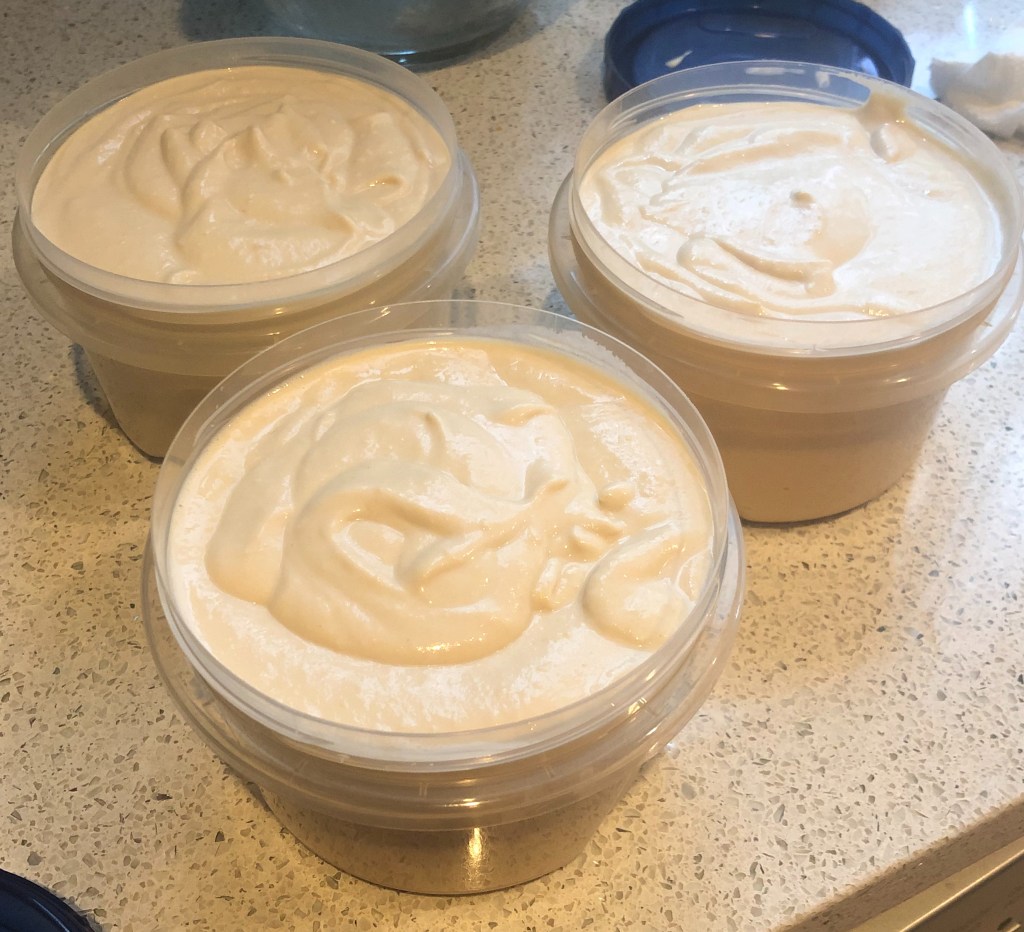
Six cups of super creamy hummus

The dude tasted a fingerful of hummus and the verdict was “Lemony, garlicky, tahini-y, chickpea-y but needs more salt. Eh! That can be added later.” I wonder when we can be hummus.

Cooking

To cook or not cook chicken

As a rule, I don’t cook raw chicken at home. There is one exception to that rule: If it’s chicken soup it’s okay.

The fear of cooking raw chicken is a bit irrational, I know. I love chicken. One of the things I miss most when I became GF was deep fried chicken with crunchy skin that can only be achieved through dredging it with seasoned flour. [commence Homer Simpson drooling sounds.] Chicken can be a neutral vessel for any sauce but has it’s own distinctive taste and smell. What is there not to like about chicken? Nevertheless, the fear has persisted, even through some of my leanest days where chicken thighs were the most affordable protein available on my $1k a month income.

The few occasions I have cooked chicken at home, it involved disinfecting the entire kitchen area right afterwards and scrubbing my hands raw. I know where the fear originated. I read somewhere, a long time ago, that the liquid from packed chicken carry salmonella and because you can’t see where the droplets end up on the counter it could contaminate other foods. I hate food poisoning. Okay, no one likes food poisoning, I get it, but I know this was the start of it all.

Chicken soup is different, especially when making it in a slow cooker or pressure cooker. Minimal touching, no cutting of the meat, and you can press a button and it’s all done!

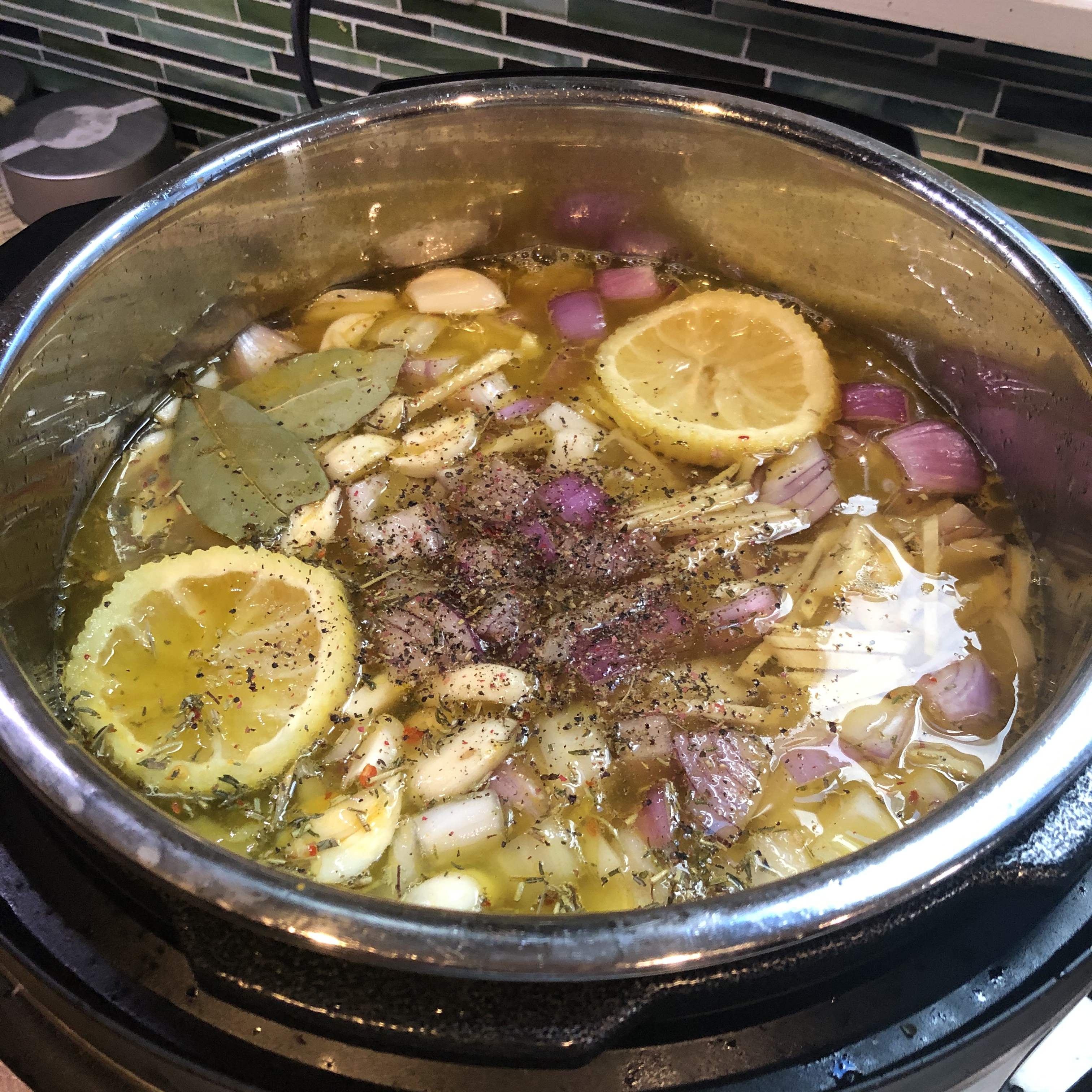
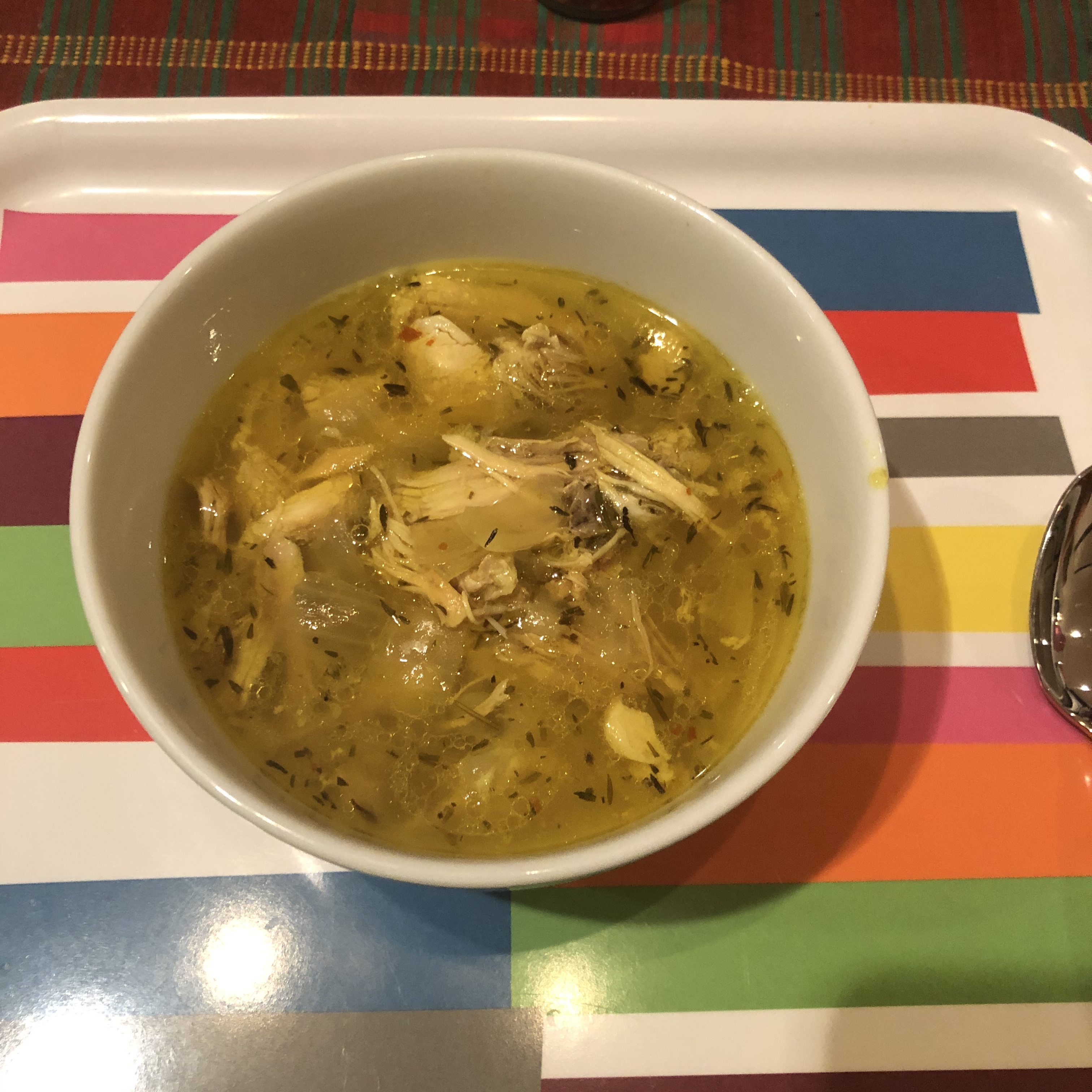
Sonya’s Magic Chicken Soup

This name was gifted to me by a friend. He had heart surgery and I made pots of this soup for him during his recovery. Of course, the turmeric was left out (it’s a blood thinner).

Ingredients:

  • 1/4 olive oil
  • 3 lbs of chicken, skin on and bone in, always. That’s where all the good flavor is.
  • 1-2 large onions, chopped
  • 1 bulb of garlic, each clove cut in half (make sure to discard the sprouts if it’s older)
  • Equal amount of ginger to garlic, julienned
  • 1-2 lemons, zested, then cut in half/quartered.
  • 1-2 bay leaves
  • A good amount of turmeric powder or equal amount of turmeric root to ginger/garlic, julienned
  • 1-2 Tbsp kosher salt
  • Herbs and spices to taste
  • Water to cover

Method:

  1. Heat the oil in pan or directly in the pressure cooker if it has a “Sauté” option. Sear the chicken until it’s translucent. It won’t be cooked through.
  2. Squeeze lemon juice over chicken and throw in the rinds. Add all other ingredients on top of the chicken.
  3. Add water so that the ingredients are covered by about 2 inches of water at least.
  4. Cover and cook until meat falls off the bones. For a slow cooker, it’s on “High” for 10 hours. In a pressure cooker, it’s “Soup” for 37 minutes.
  5. While the soup is cooking, disinfect all surfaces–pretty much anywhere chicken juice may have landed.
  6. Once the cooking is done, discard chicken skin and bones, bay leaves, and lemon.
  7. Season to taste.

Other additions/options:

  • Add a whole habanero pepper for a spicy version.
  • Fresh lemongrass, if you can find it, perks up the soup.
  • Korean pear, peeled and chopped. It will dissolve in the broth. Not Asian pear; Korean pear.
  • If you have dried mushrooms on hand (dried shiitakes are a pantry staple for me), you can steep the mushrooms in boiling water and use the mushroom water as some of the liquid. Alternatively, you can add dried mushrooms into the pot with the other stuff and have it reconstituted while cooking.
  • You can take out all the meat and bay leaves (also any twigs from fresh herbs or lemongrass) then use an immersion blender to blend the broth with the lemon. Add shredded chicken after blending. It makes a thicker and lemonier soup.
  • I generally don’t like too much other stuff in my chicken soup, but diced carrots, celery, fennel, potatoes. etc. should all work.