Baking

Zucchini Bread

The first time I made zucchini bread was in grad school. Zucchini must have been on sale because it’s not something I would have bought otherwise on a $1000/month stipend plus a couple of odd part time jobs while paying rent. I was learning how to cook at that time, mostly to because I could no longer afford to eat out with a living budget of about $100/week, if I was lucky. One of the purchases I had made was the New York Times Cookbook, a brick of an anthology that promised to teach me everything I needed to know about cooking. Unfortunately, most of the ingredients listed were unaffordable and the number of steps involved was ridiculously long and complicated for a novice cook. One exception was the zucchini bread recipe.

I made a loaf and brought it to work, the research center that my PhD mentor ran. It was a big hit! Even while complaining about how the zucchini bread was going to affect her waistline and cholesterol level, she always took a couple of huge slices–some for now, some for later. For Christmas every year until I graduated, I made sure she got a loaf. One time, while taking a break from work at the center, she looked at me and said, “You know, Sonya, you probably missed your calling as a baker.”

On one hand, this is not the kind of observation you want to receive from your mentor a couple of years into a PhD program. On the other hand, she had always valued my intellect and work ethic and instrumental in leading me to an academic path. She had hired me as a TA when I was still a master’s student, entrusted me with teaching her course while she was on sabbatical, and made sure I was always financially afloat so that I could complete the work I had started. I chose to take the statement as a compliment.

I have since given away the New York Times Cookbook, discovering that it was filled with esoteric dishes that I would not try, even now, as an experienced cook. However, I decided to copy down the zucchini bread recipe for posterities.
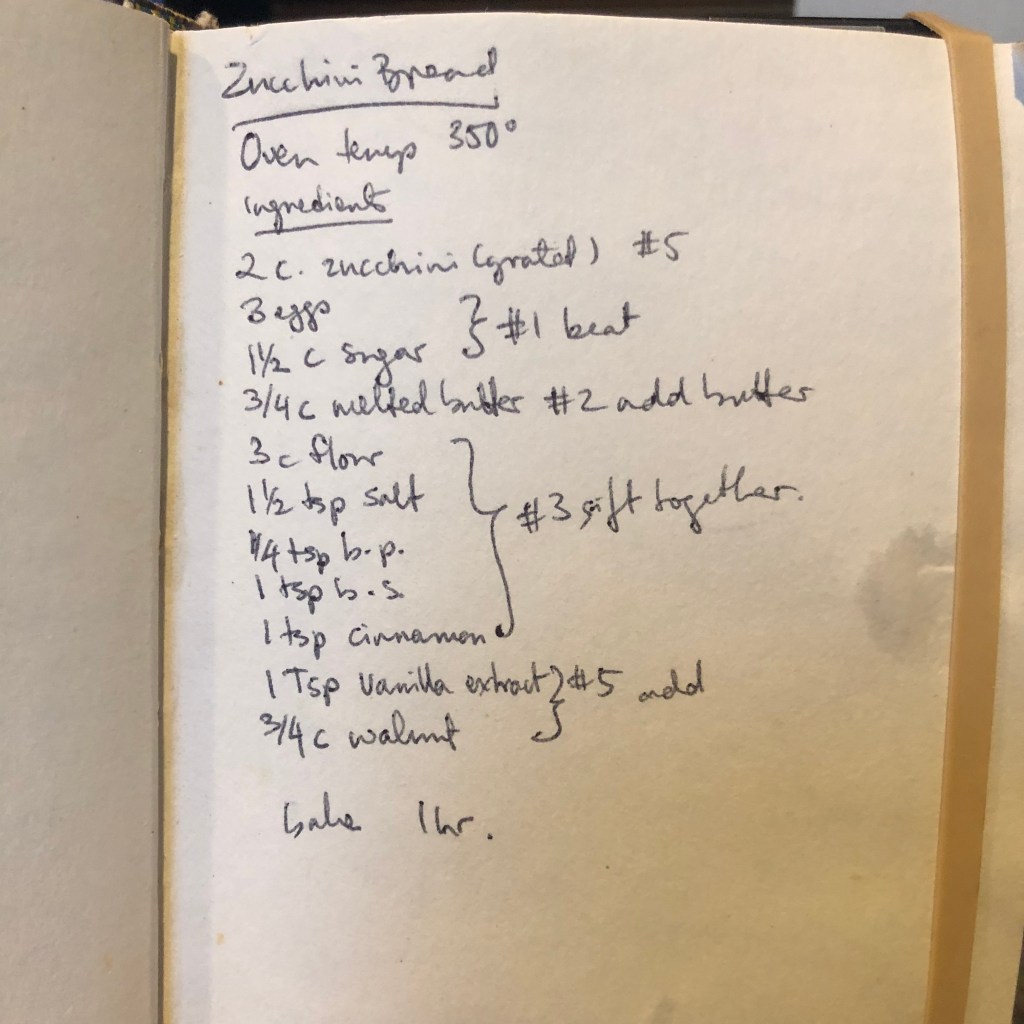
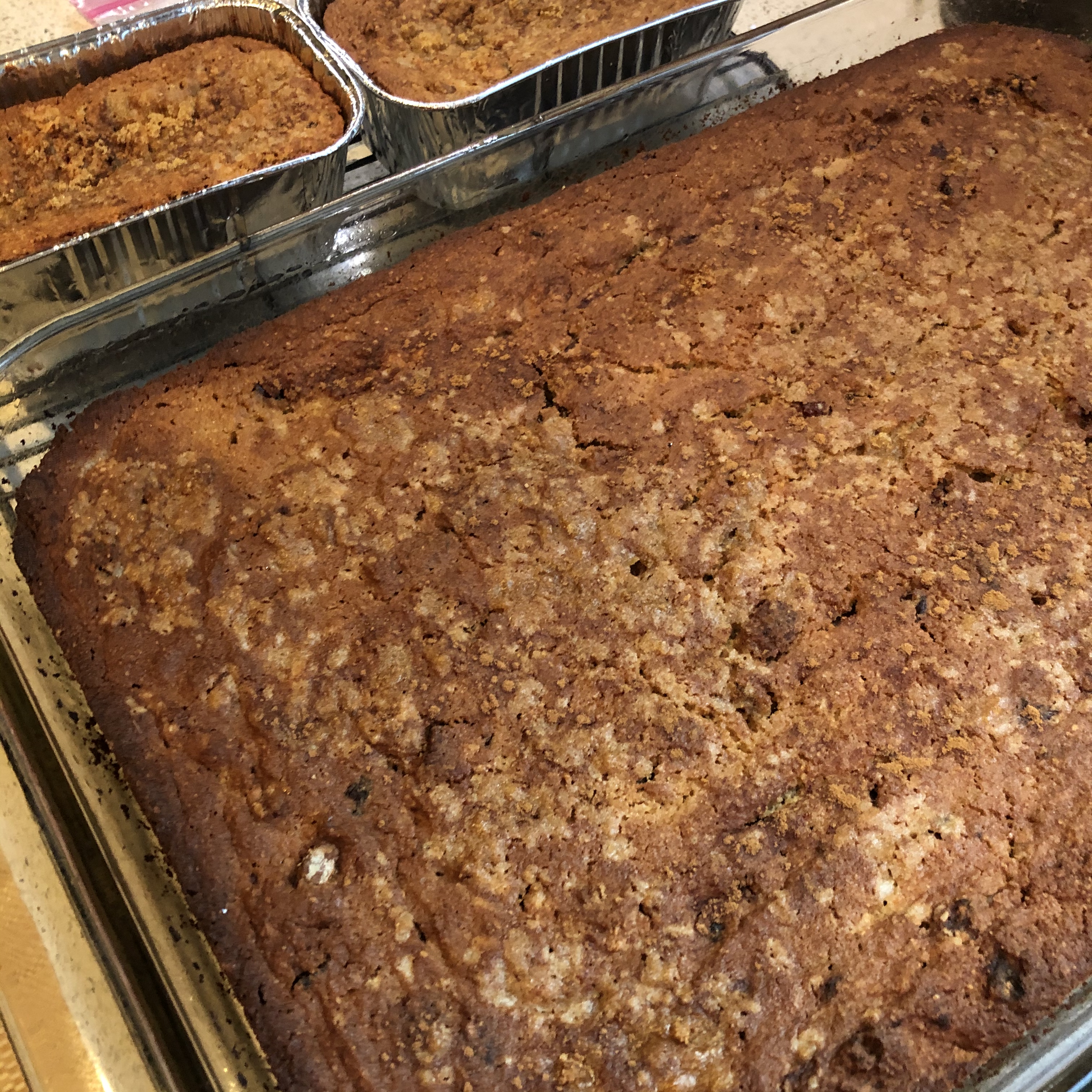
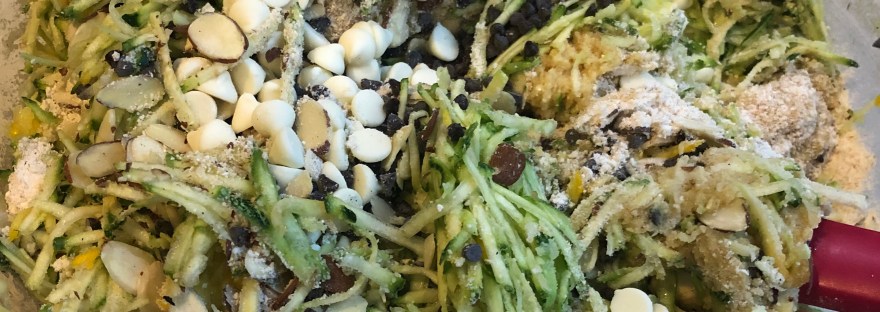
It is a well-loved recipe, dripped on and smudged with bits of ingredients over almost twenty years. It is supposed to be baked in a loaf pan but I actually prefer to use a bundt pan. I often double the recipe and bake it in a 9×13 casserole pan. I have even tripled the recipe before and baked it in a chafing pan. There are other flourishes, such as using pecans or slivered almonds instead of walnuts, adding chocolate chips (a pro tip I got from a friend who asked for chocolate chip zucchini bread as a wedding present), streusel topping, different spice combinations, using other summer squashes in addition to or instead of the standard green one, etc. The plain, original version is the most versatile, especially if it’s made with less sugar, which I do for most baking recipes. Apparently, it’s delicious, sliced thin and toasted with a schmear of cream cheese.
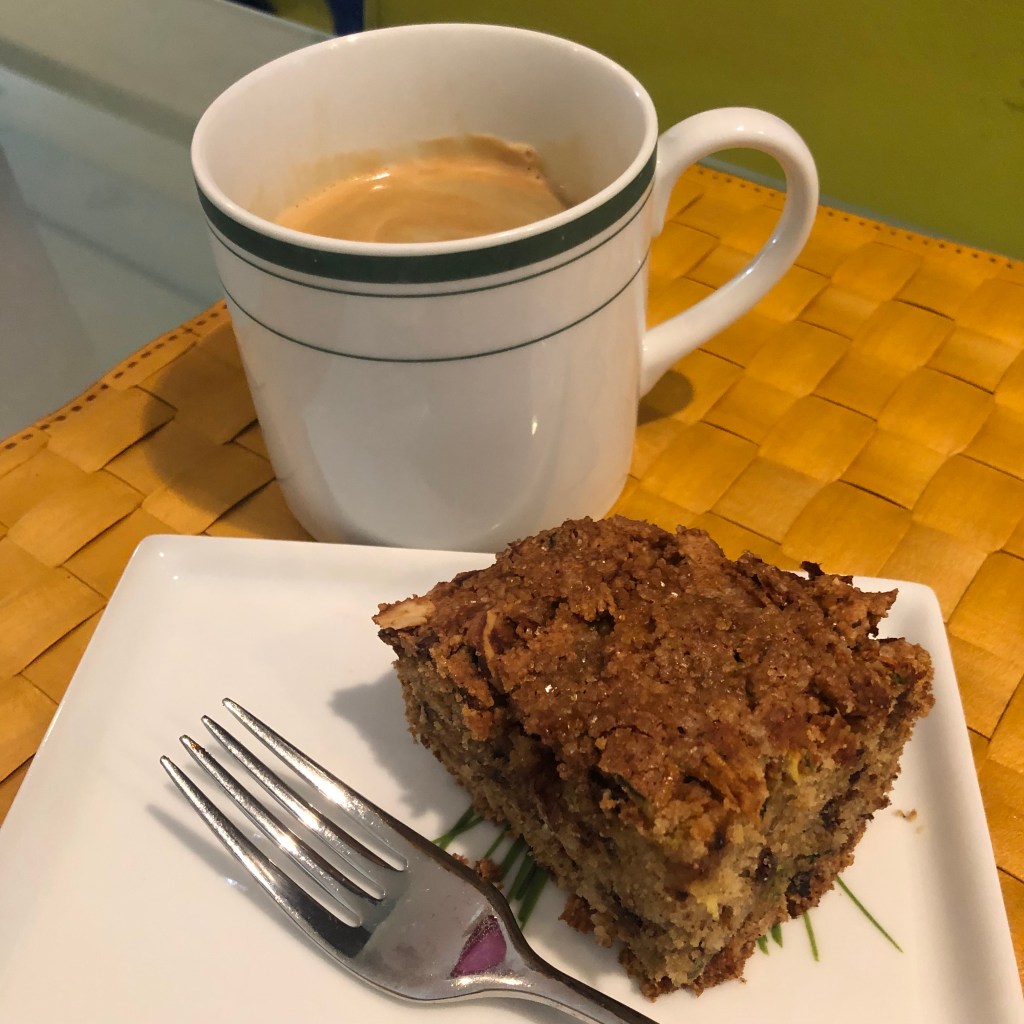
Many years later, on a random street corner, I ran into my mentor and her husband. His face lit up when we were introduced and exclaimed, “You are the zucchini bread baker!” I had always thought that if I had to ever go into witness protection, change my identity, and make a living doing something completely different from my current career, I would open a coffee shop and make my own pastries and quick breads since I had the calling.

Maybe not…
Baking

Banana Bread

The first thing I ever tried to bake was banana bread. I must have been in my early teens, still living in Accra in the Airport Road house. The details of the recipe and what I did is not clear. What I do remember was that whatever came out of that oven was so awful that even the dog wouldn’t eat it.

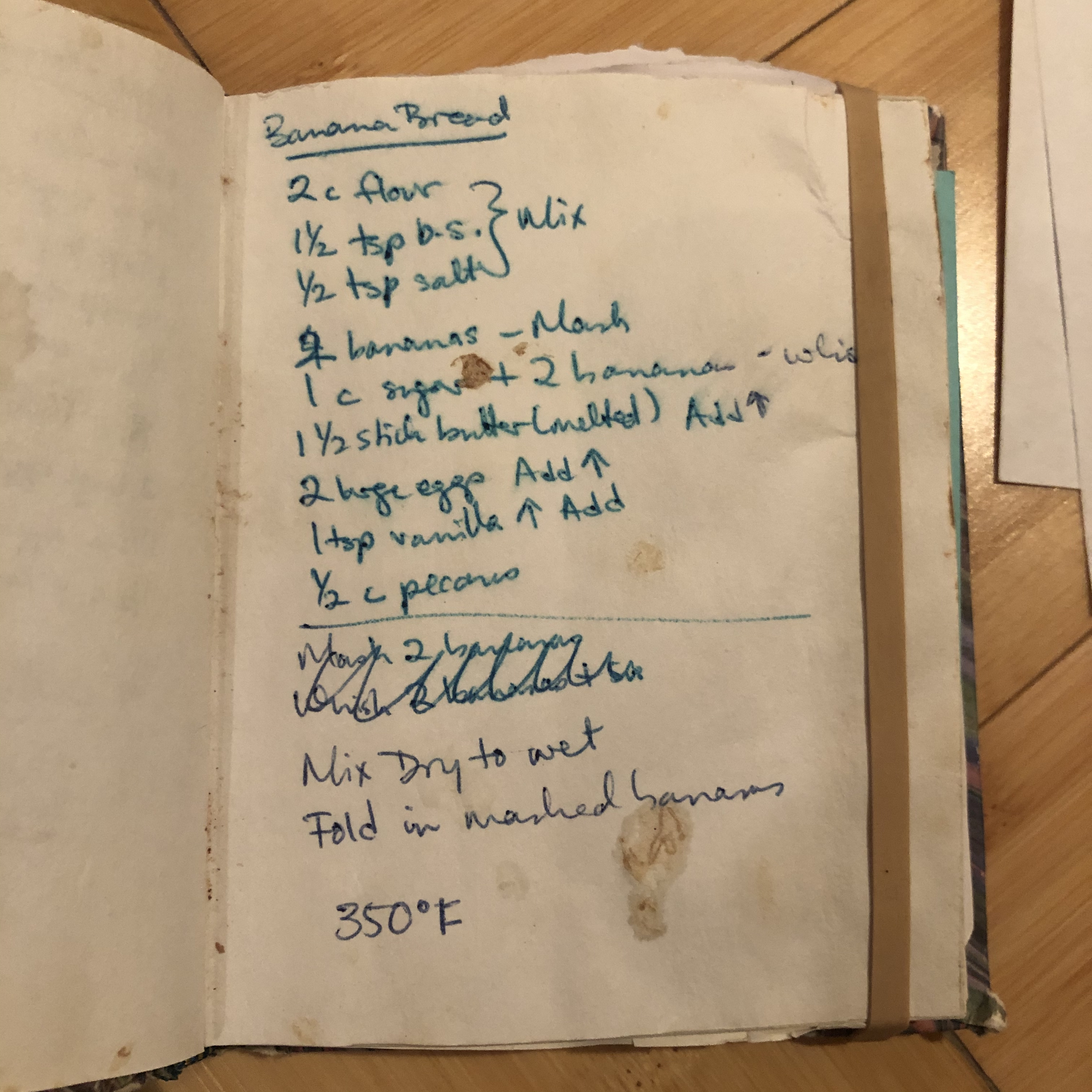
Since then, I have experimented with a lot of different kinds of banana bread recipes with many variations and this is the one I settled on. It’s my short hand scribbled note of Tyler Florence’s Banana Bread with Pecans and it is the base of all my banana breads. The key here is the 2 bananas mashed to create the cream base for the batter.

Over the years, I have made numerous substitutions and enhancements to this recipe. Here are some common ones:

  • 1/2 cup olive oil for 3/4 c melted butter or 1/2 cup melted butter + 1/4 cup olive oil
  • Walnuts or almonds for pecans (because I don’t usually have pecans on hand) but any nut would probably work
  • 1/2 cup chocolate chips in addition to the nuts, 1 cup if it’s mini chocolate chips
  • Streusel topping
  • 50/50 brown sugar/granulated sugar
  • 50/50 erythritol/granulated sugar, when I was experimenting with low sugar baking
  • Dried cranberries and slivered almonds
  • Chopped dates or figs
  • 1/4 cup rum or bourbon instead of vanilla
  • For GF flour substitution, I use 1.5 cup oat flour + 1/2 cup almond meal + 1/2 cup tapioca flour or 1.5 cup oat flour + 1/2 cup coconut flour + 1/2 cup tapioca flour

This recipe can be made in a bundt pan or doubled for a 9×13 pan or tripled for a chafing pan.

If there is a pro tip for this recipe, it would be a state of the bananas when they are used. Several years ago, I had to order breakfast for about 400 people and decided to order a few cases of bananas. Of course, I had no idea what a case of bananas looked like or how many bananas were in each case. Let’s just say that not enough people ate the bananas and I couldn’t give them away fast enough so I came into possession of a boatload of bananas. I like to eat my bananas just as they develop spots. The dude, on the other hand, likes it slightly green around the tips and stem (YUCK!) so we could not eat them before they started to wither.

Being raised by a dad who had memories of going hungry as a child and a mom whose family owned a farm meant that wasting food was a big no no in our house. When I received my first lecture about leaving food on the plate, it was the entire process of rice farming and how painstaking it was to get one grain of rice on the table. I was about five at the time and it left an impression. So that meant I was compelled to freeze about 7 or 8 gallon freezer bags of peeled bananas.

Frozen, it doesn’t look so bad. But you have to thaw out the bananas before using and that is always a horror show. Black goopy mess in slippery banana liquid with an unctuous, slightly fermented smell that had hints of wanting to be rum… It’s pretty gross. However, it does make the best banana bread batter. I just puree it with an immersion blender for the batter and then the liquid actually gives the finished bread a complex flavor. If you like chunks of bananas in your banana bread, I suggest using ones that are just getting brown on the counter. The other option is to cut the frozen ones into chunks and setting them aside but most of the time, I forget to do this and let’s just say that trying to mash thawed banana is not very pleasant.

These freeze really well, but remember to cut them into single portions first.